CHRONOLOGICAL COLLECTION CATALOGUE
|
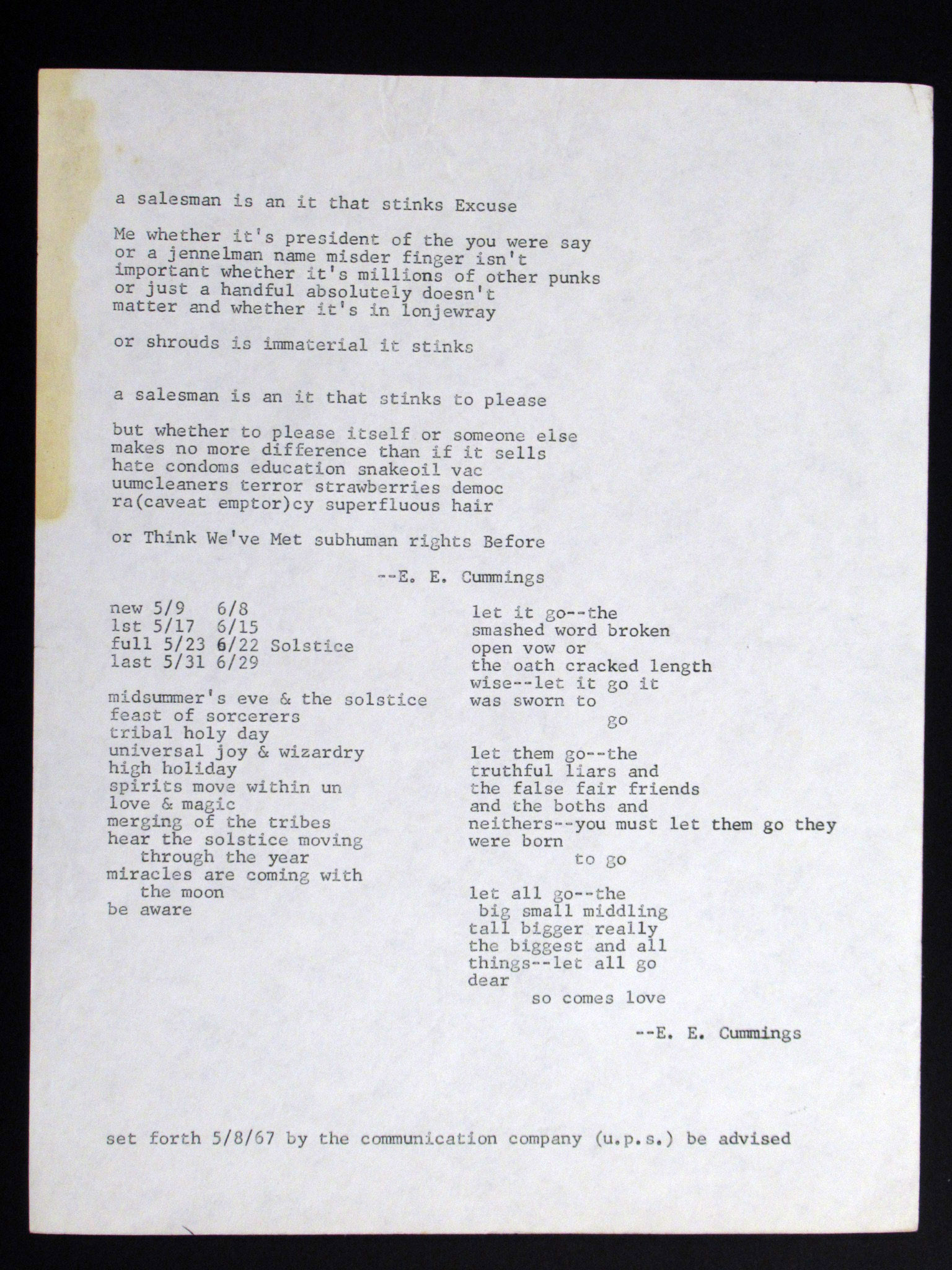
1967.05.002 Handbill: “a salesman in an it that stinks Excuse”
|
|
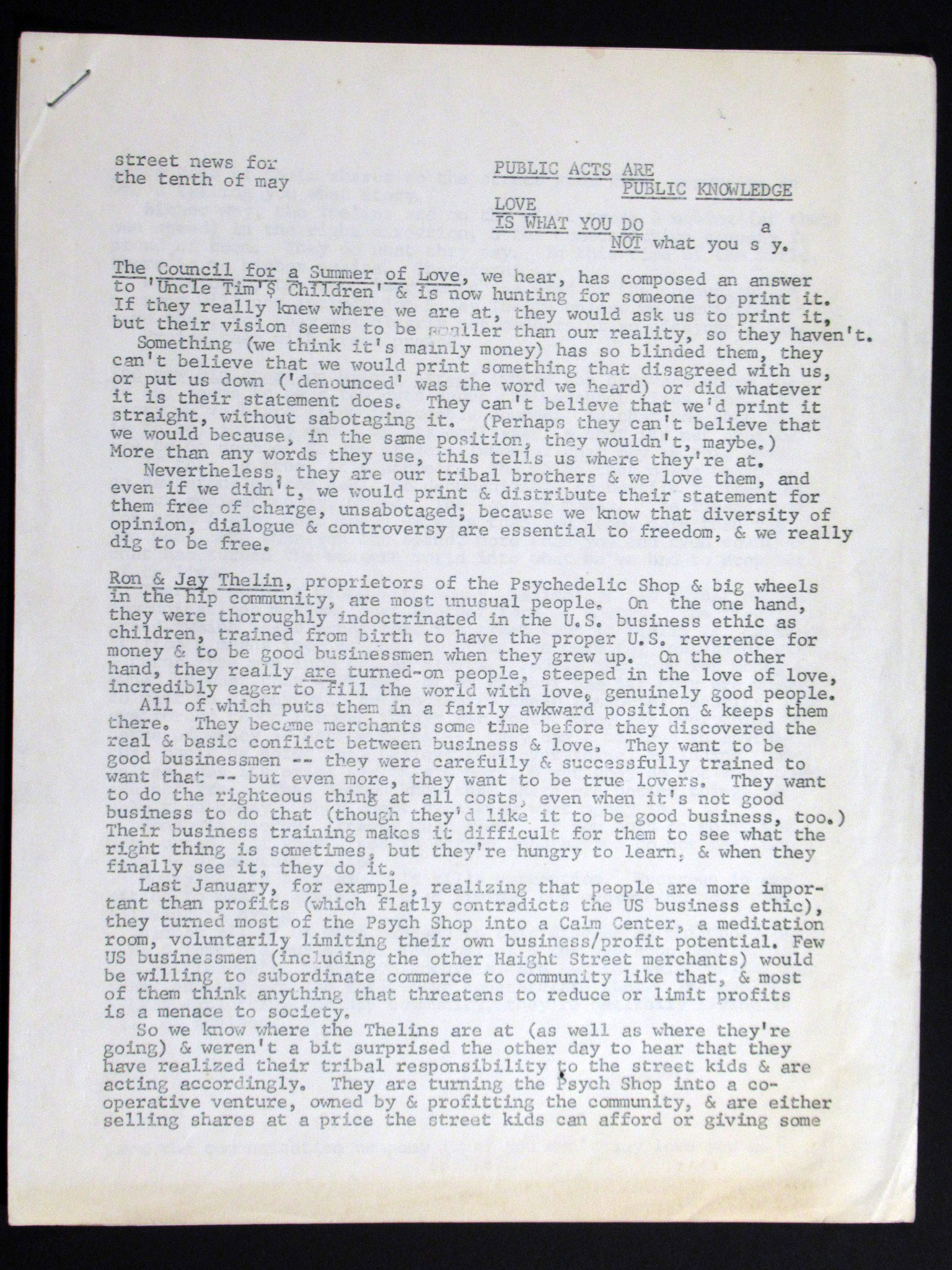
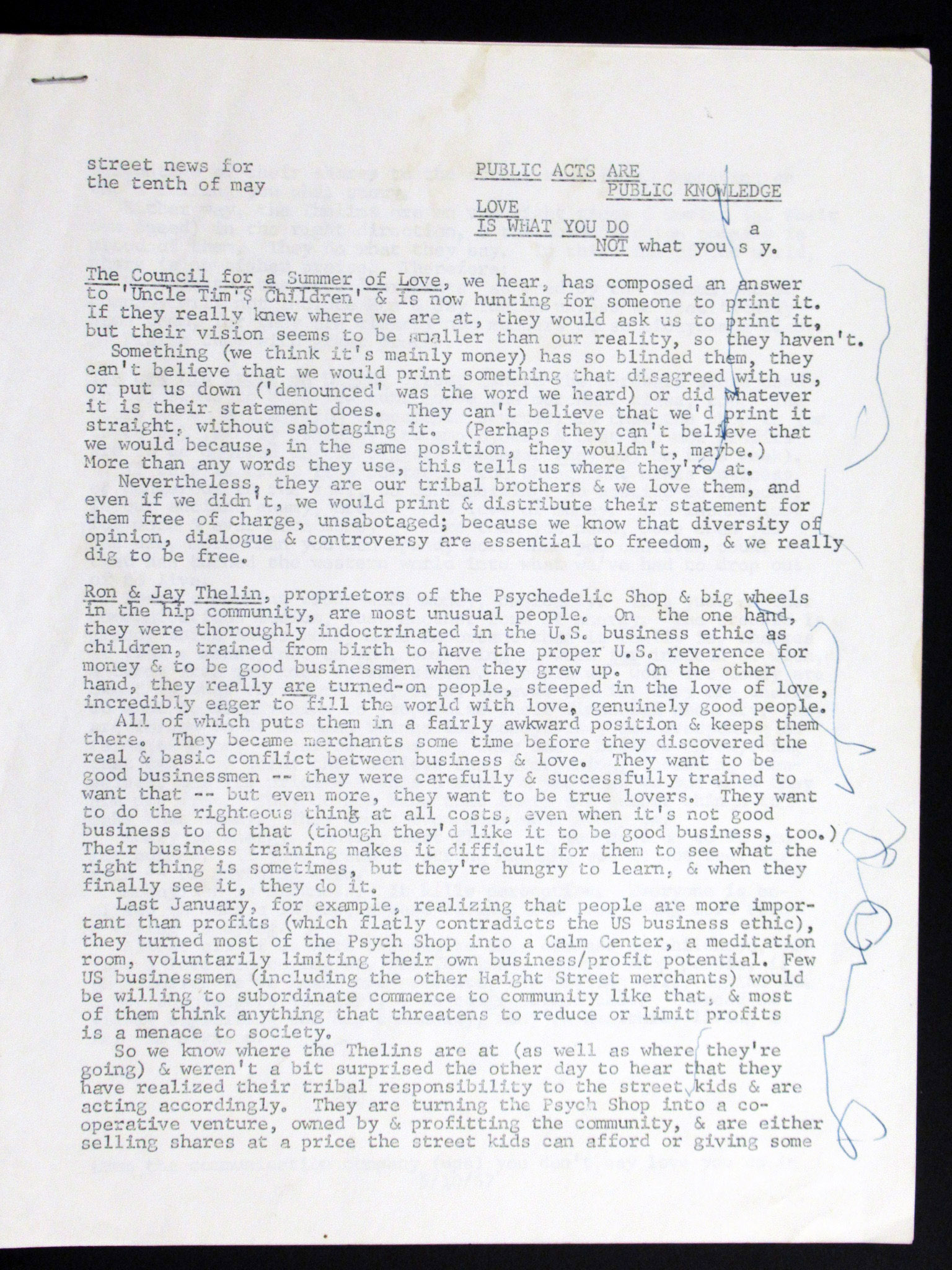
1967.05.004 Handbill: “street news for the tenth of may PUBLIC ACTS ARE PUBLIC KNOWLEDGE”
|
|
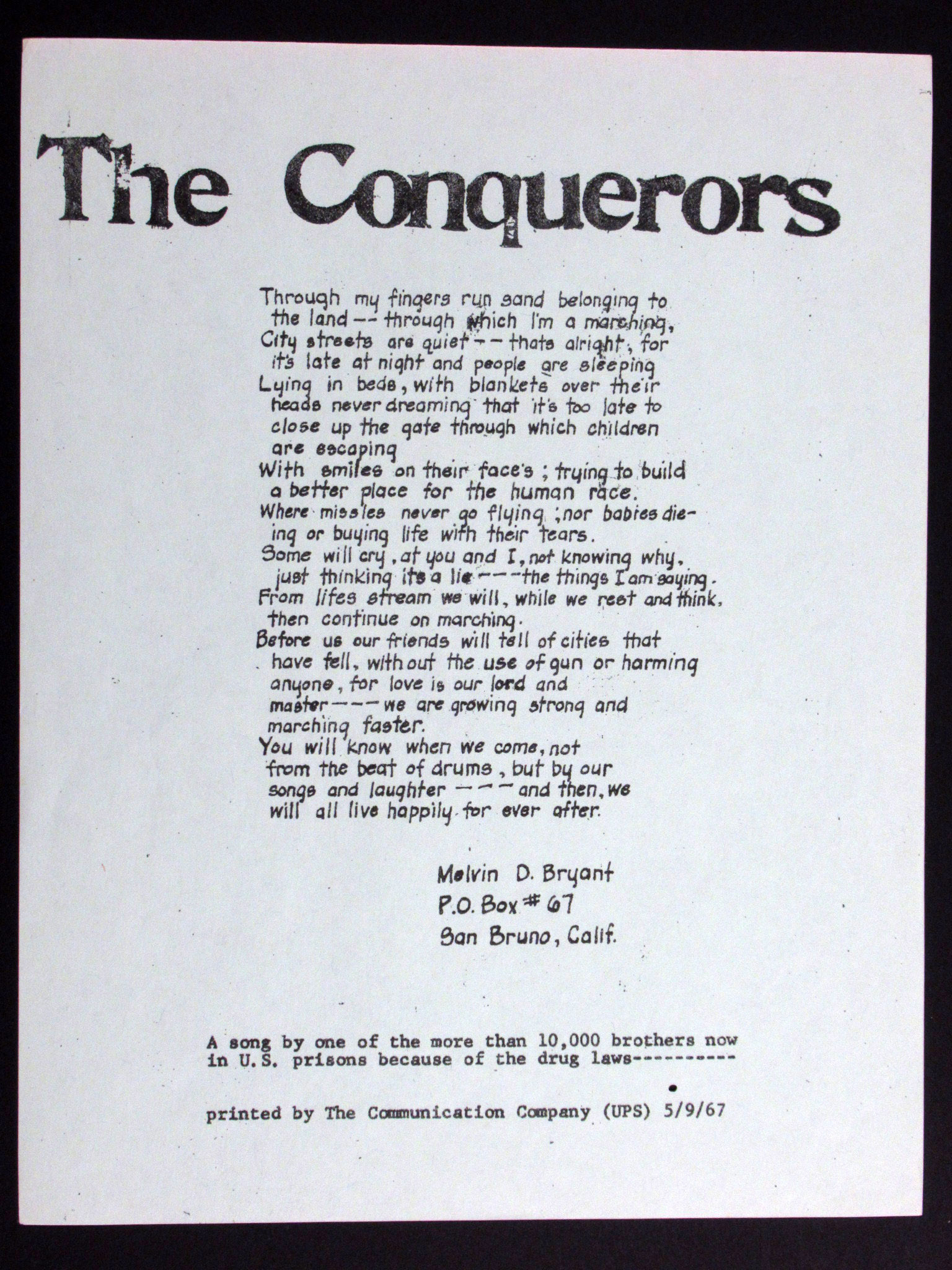
1967.05.007 Handbill: “The Conquerors”
|
|
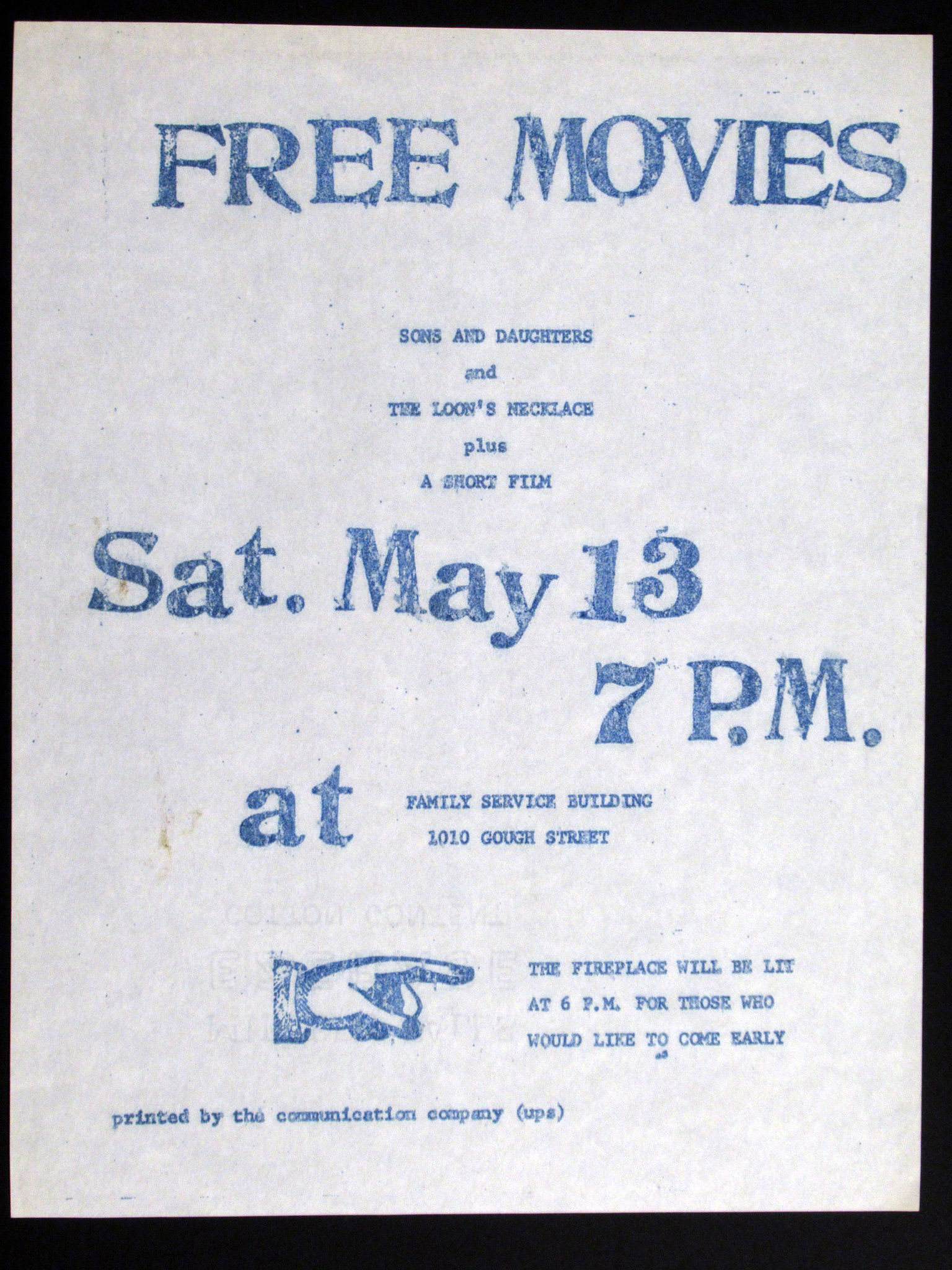
1967.05.009 Handbill: “FREE MOVIES SONS AND DAUGHTERS and THE LOON'S NECKLACE”
|
|
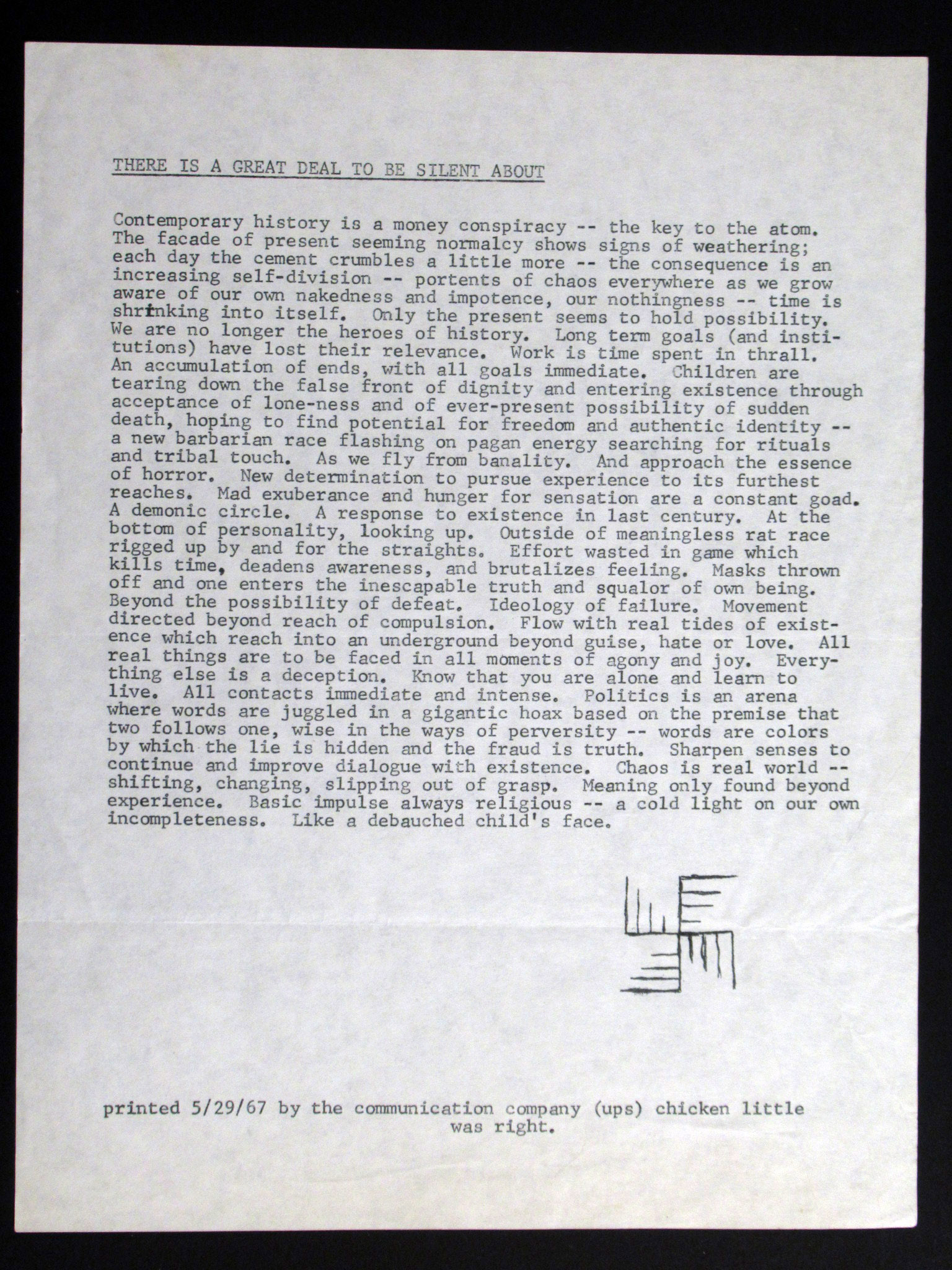
1967.05.018 Handbill: “THERE IS A GREAT DEAL TO BE SILENT ABOUT”
|
|
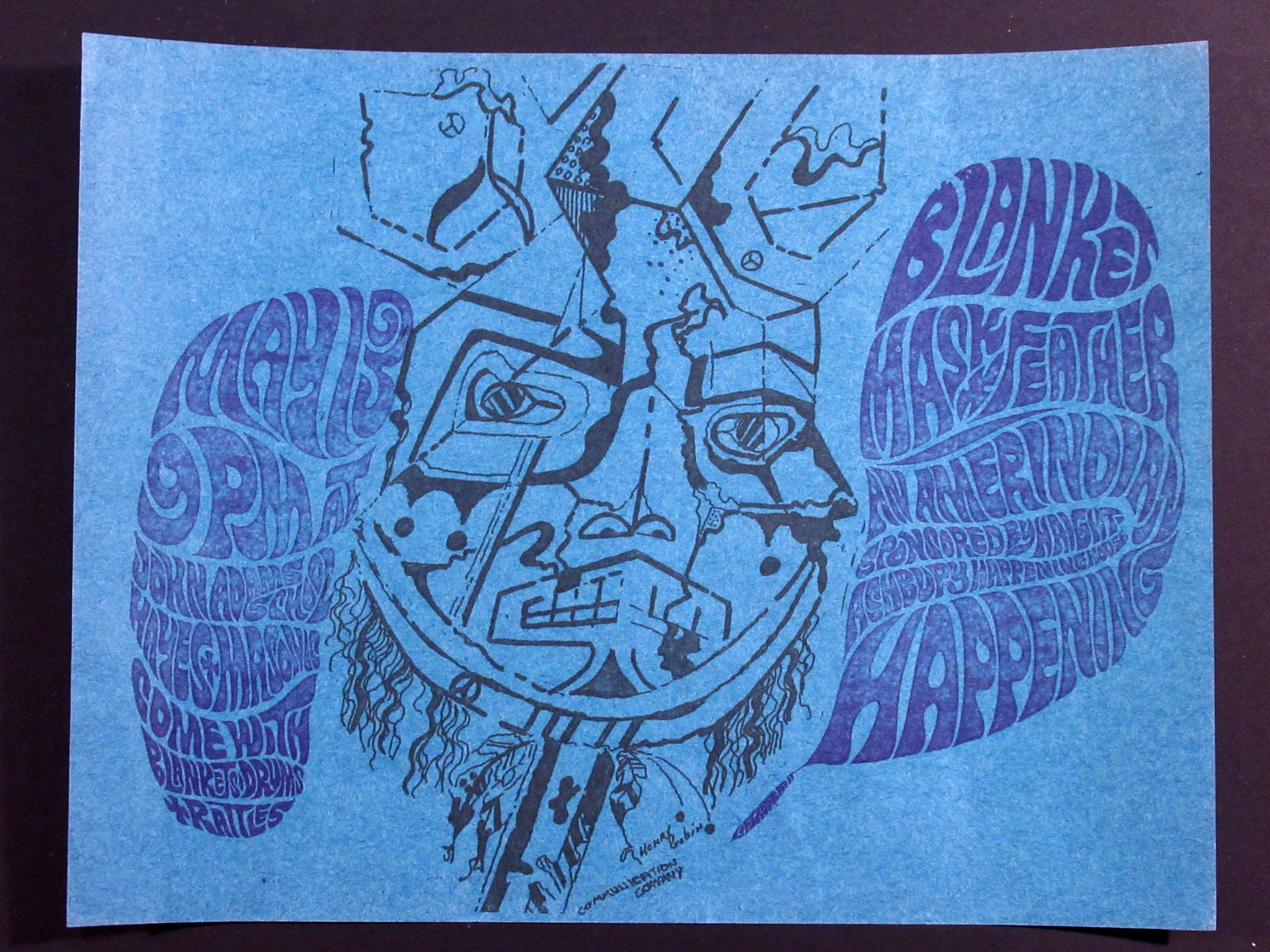
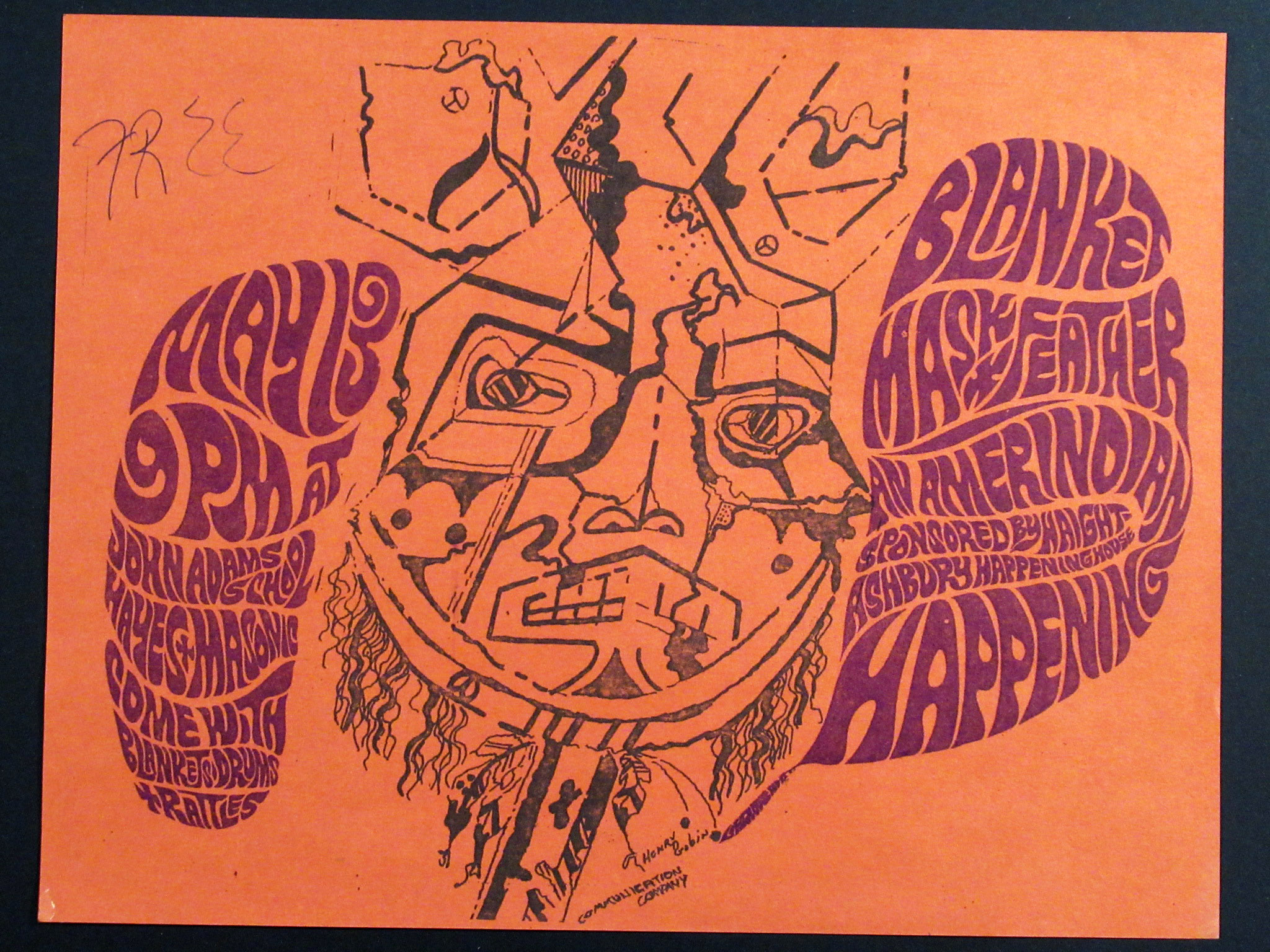
1967.05.022 Handbill: “May 13 9 Pm at John Adams school Blanket Mask Feather blue paper)”
|
|
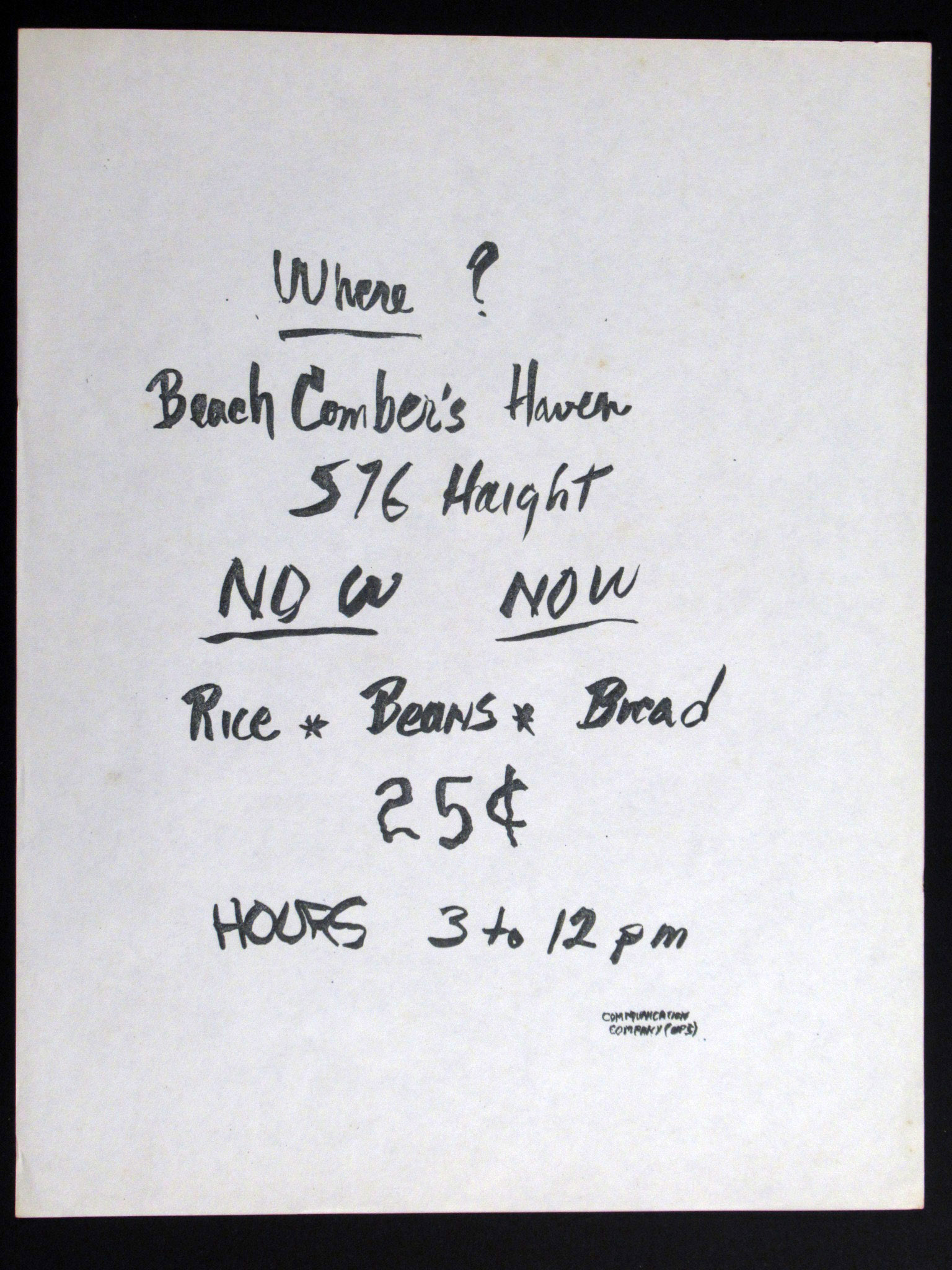
1967.05.026 Handbill: “Where? Beach Comber's Haven NOW NOW Rice”
|
|
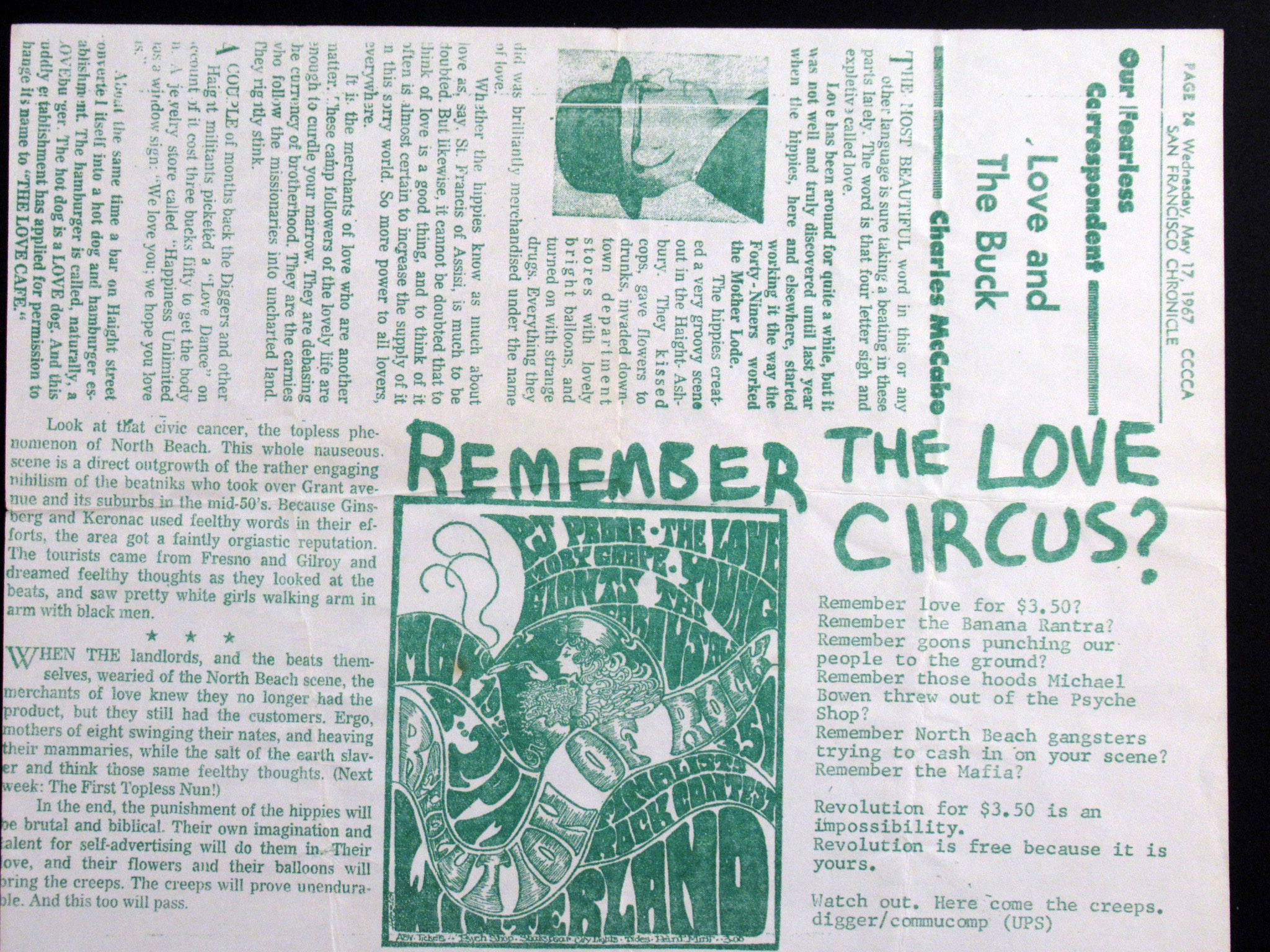
1967.05.027 Handbill: “REMEMBER THE LOVE CIRCUS”
|
|
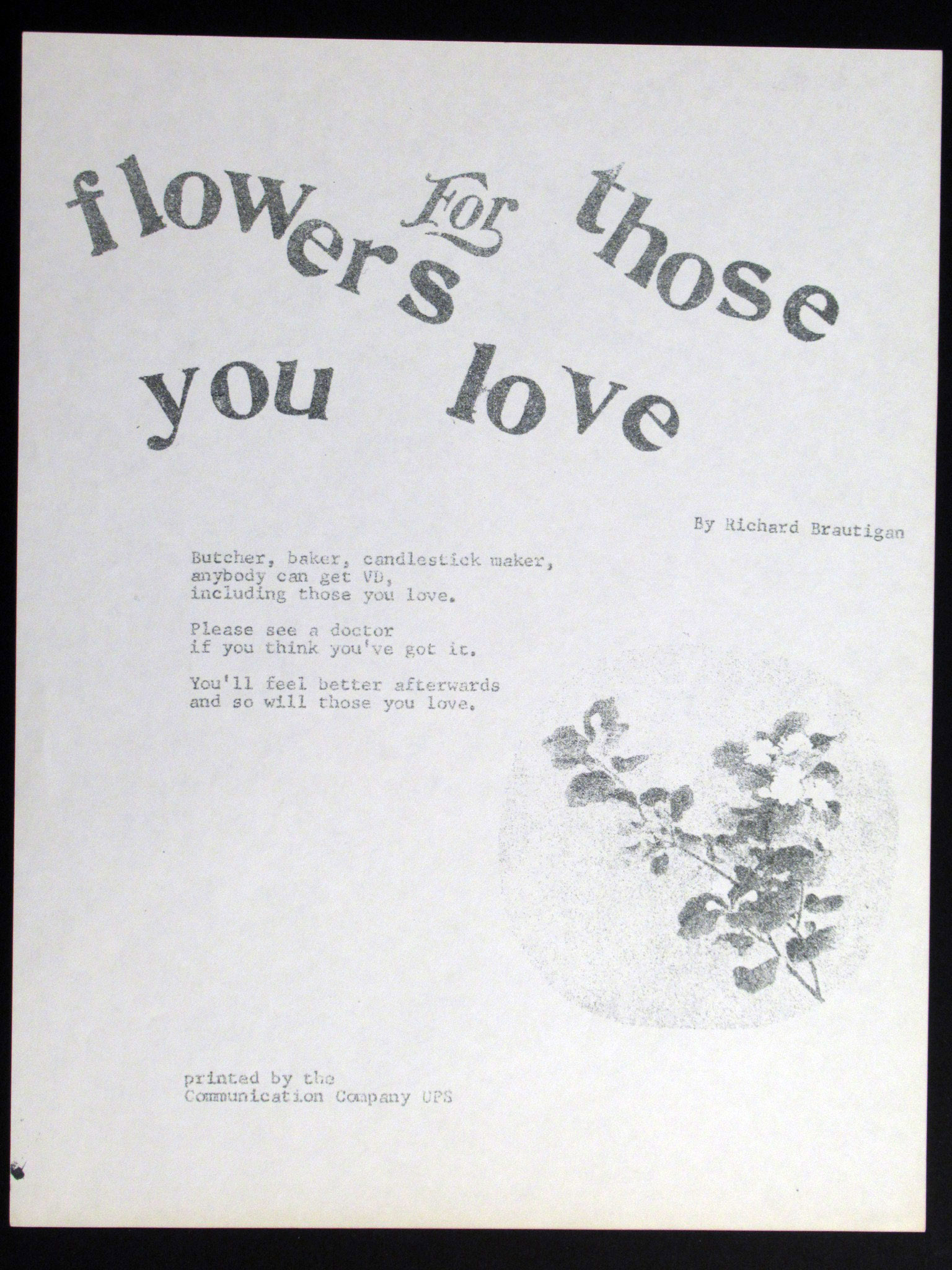
1967.05.029 Handbill: “flowers for those you love”
|
|
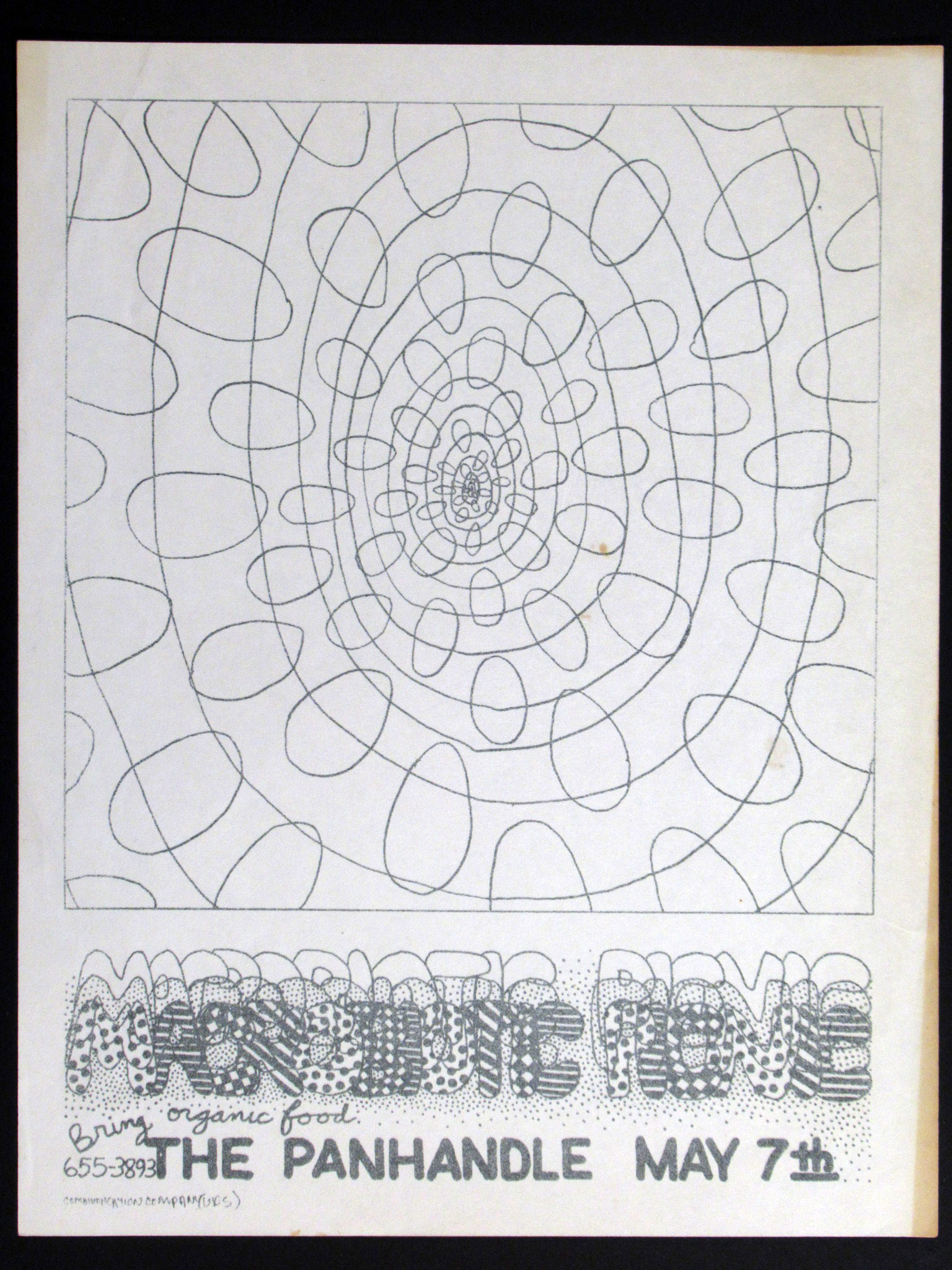
1967.05.032 Handbill: “MACROBIOTIC PICNIC”
|
|
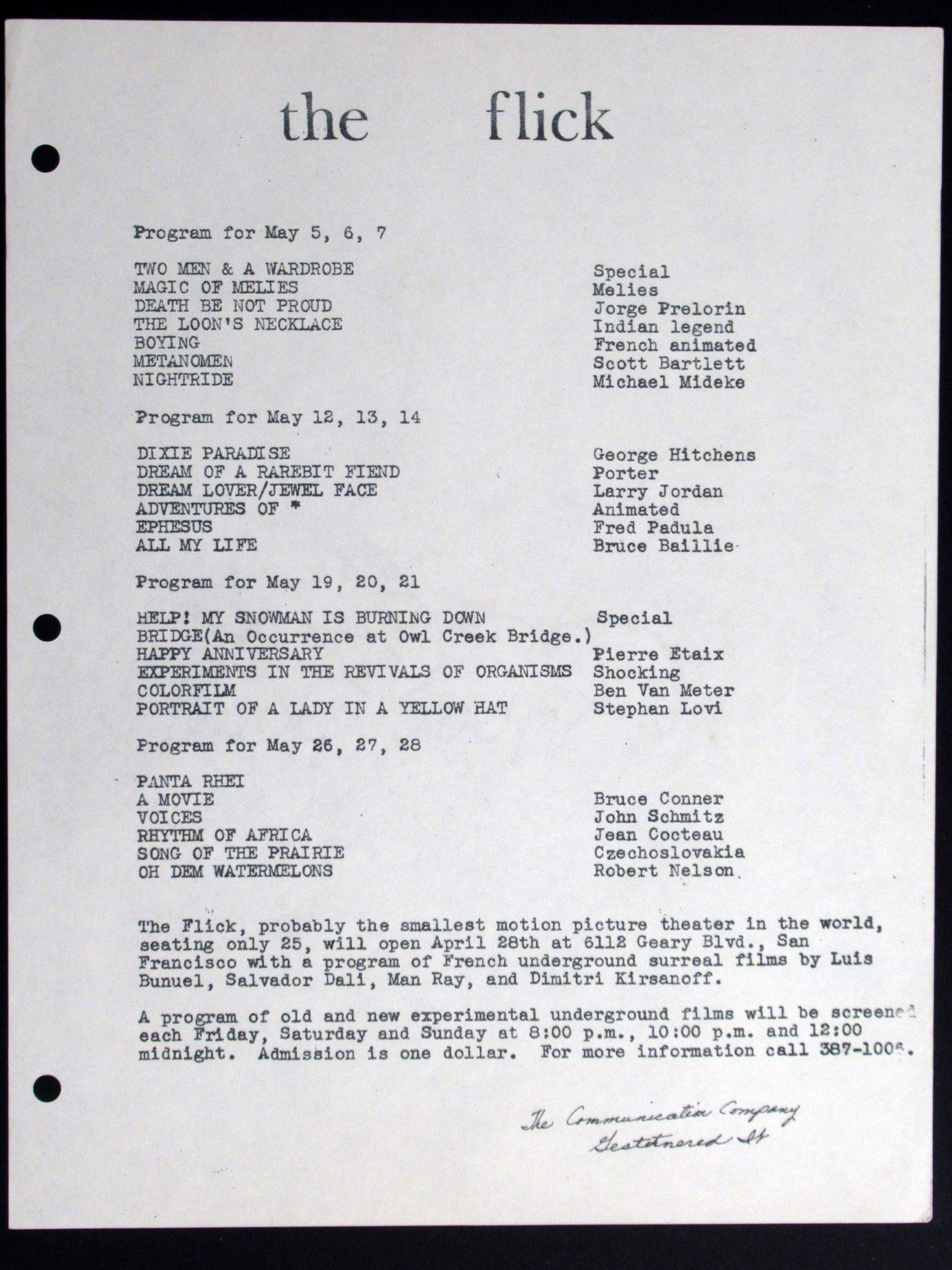
1967.05.038 Handbill: “the flick Programs for May 5, 6, 7”
|
|
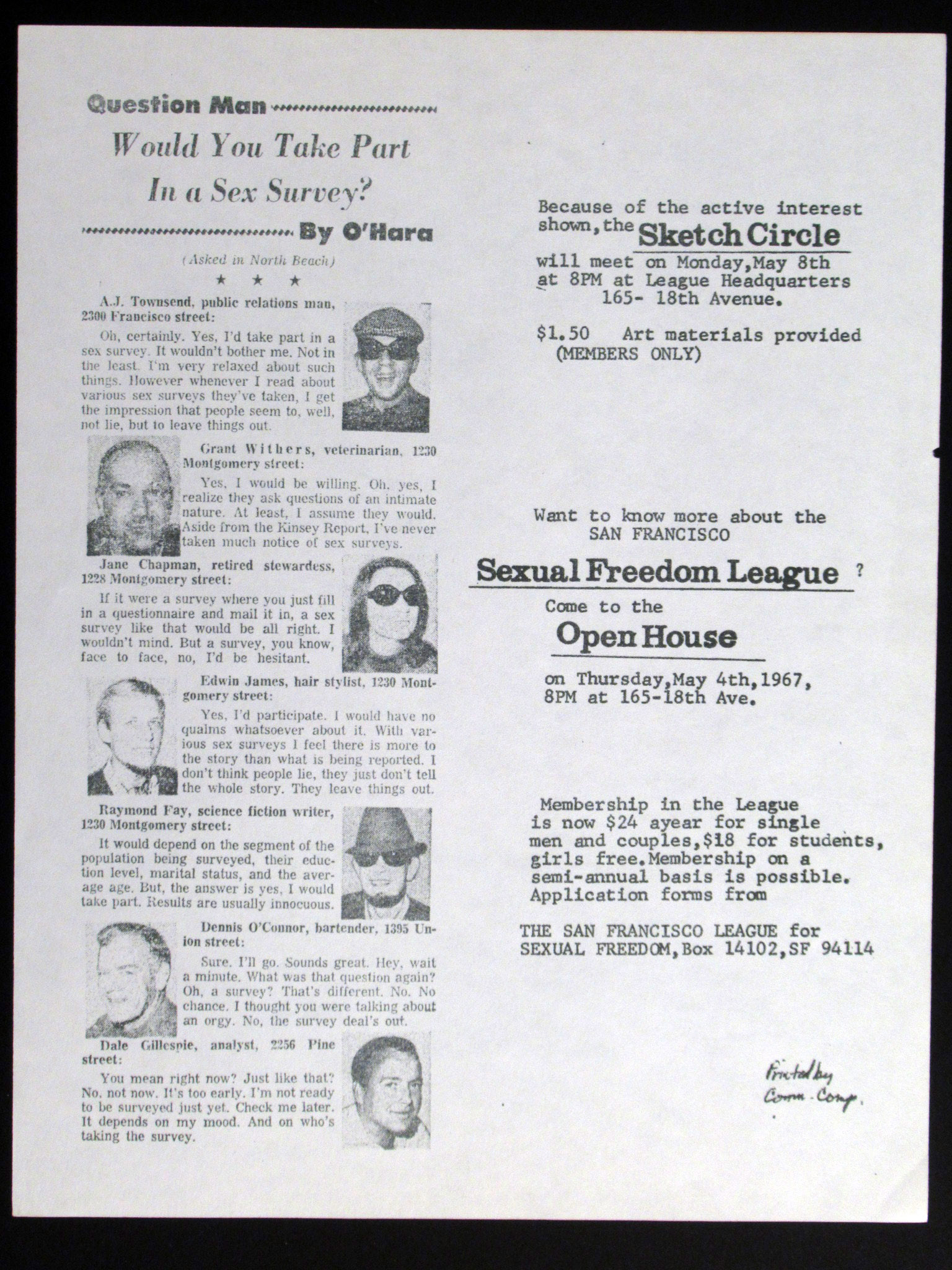
1967.05.042 Handbill: “question man would you take part in a sex survey”
|
|
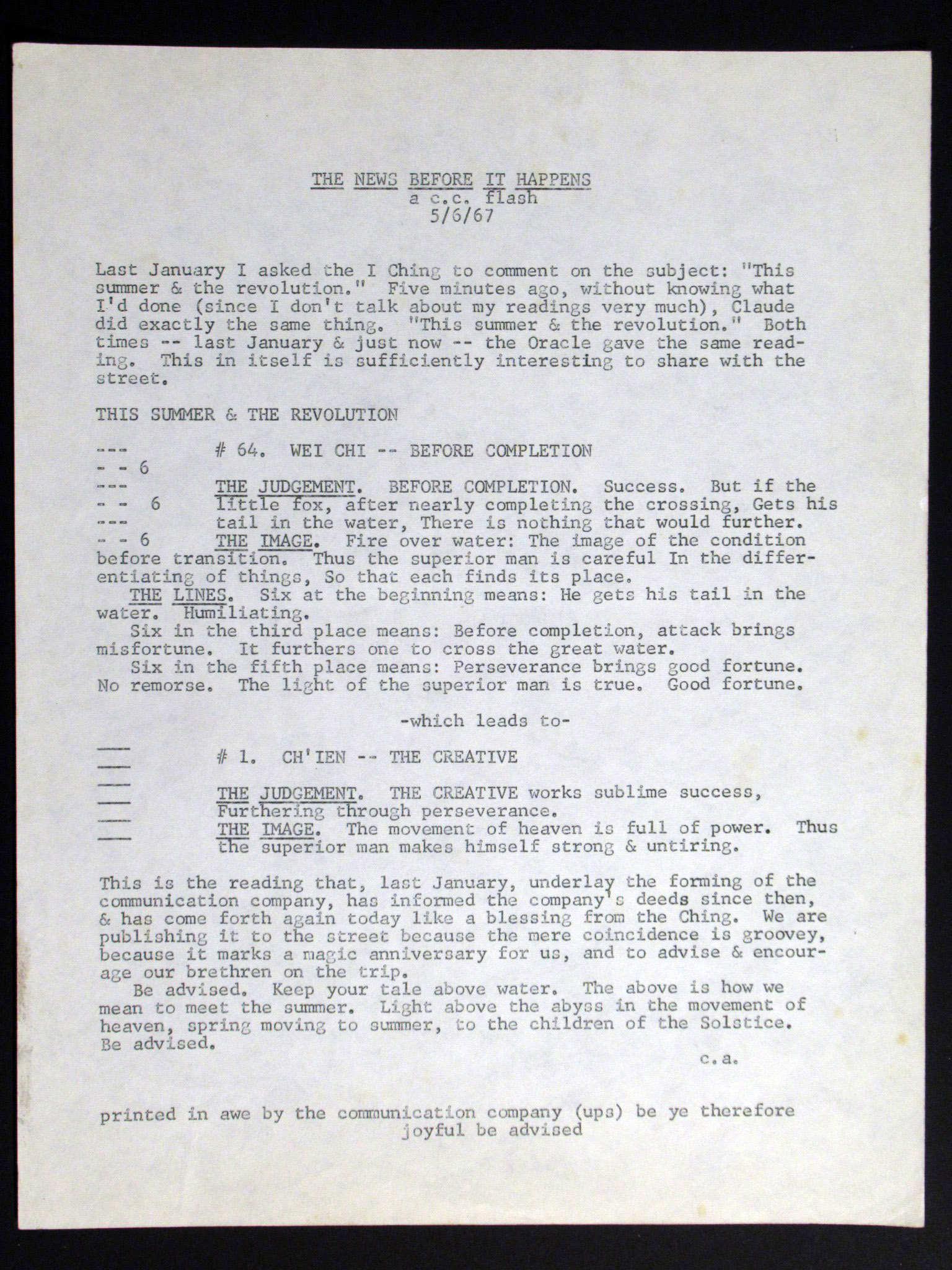
1967.05.044 Handbill: “THE NEWS BEFORE IT HAPPENS a c.c.flash 5/6/67”
|
|
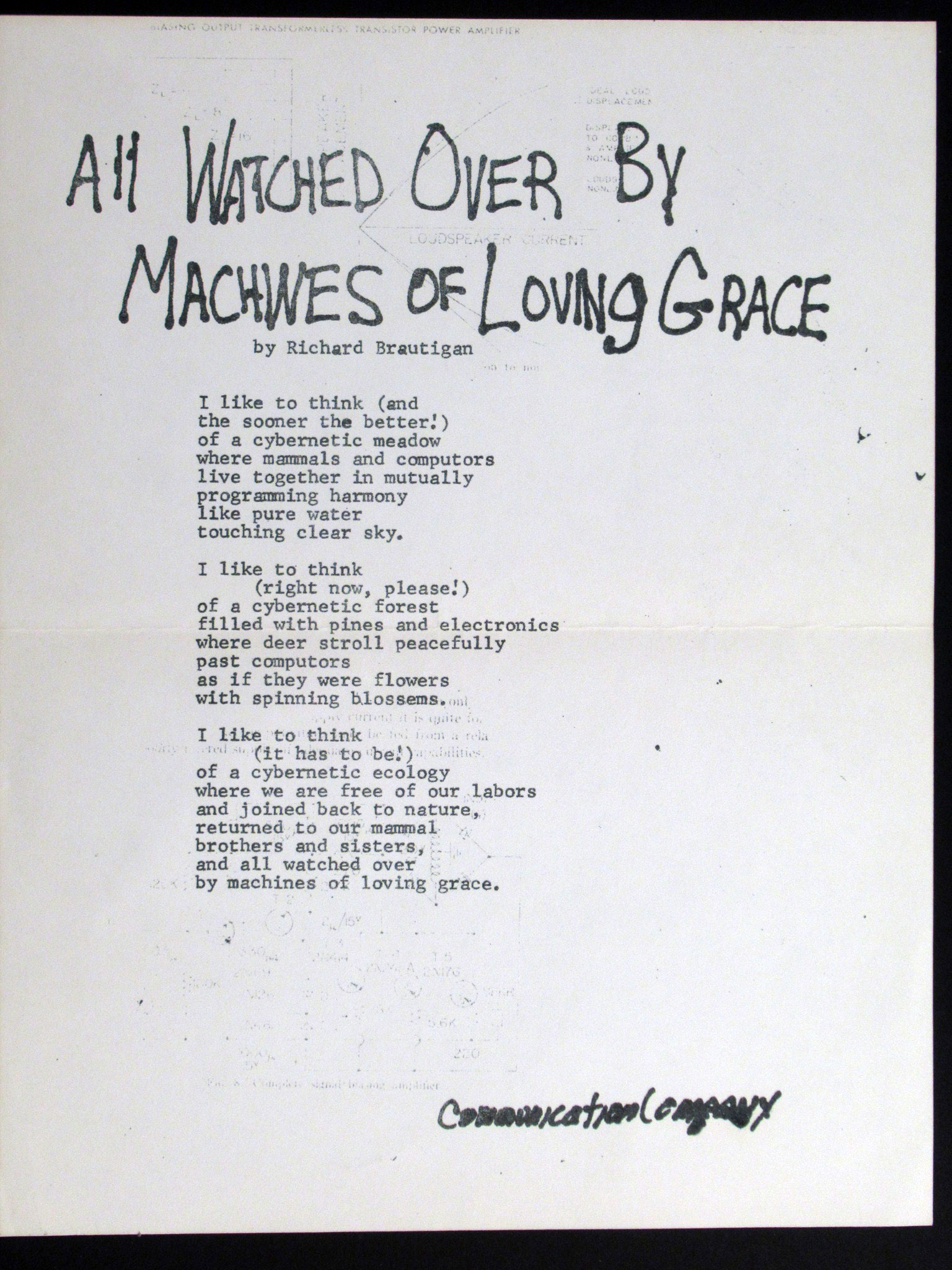
1967.05.048 Handbill: “all watched over by machines of loving grace (very faint loudspeaker current)”
|
|
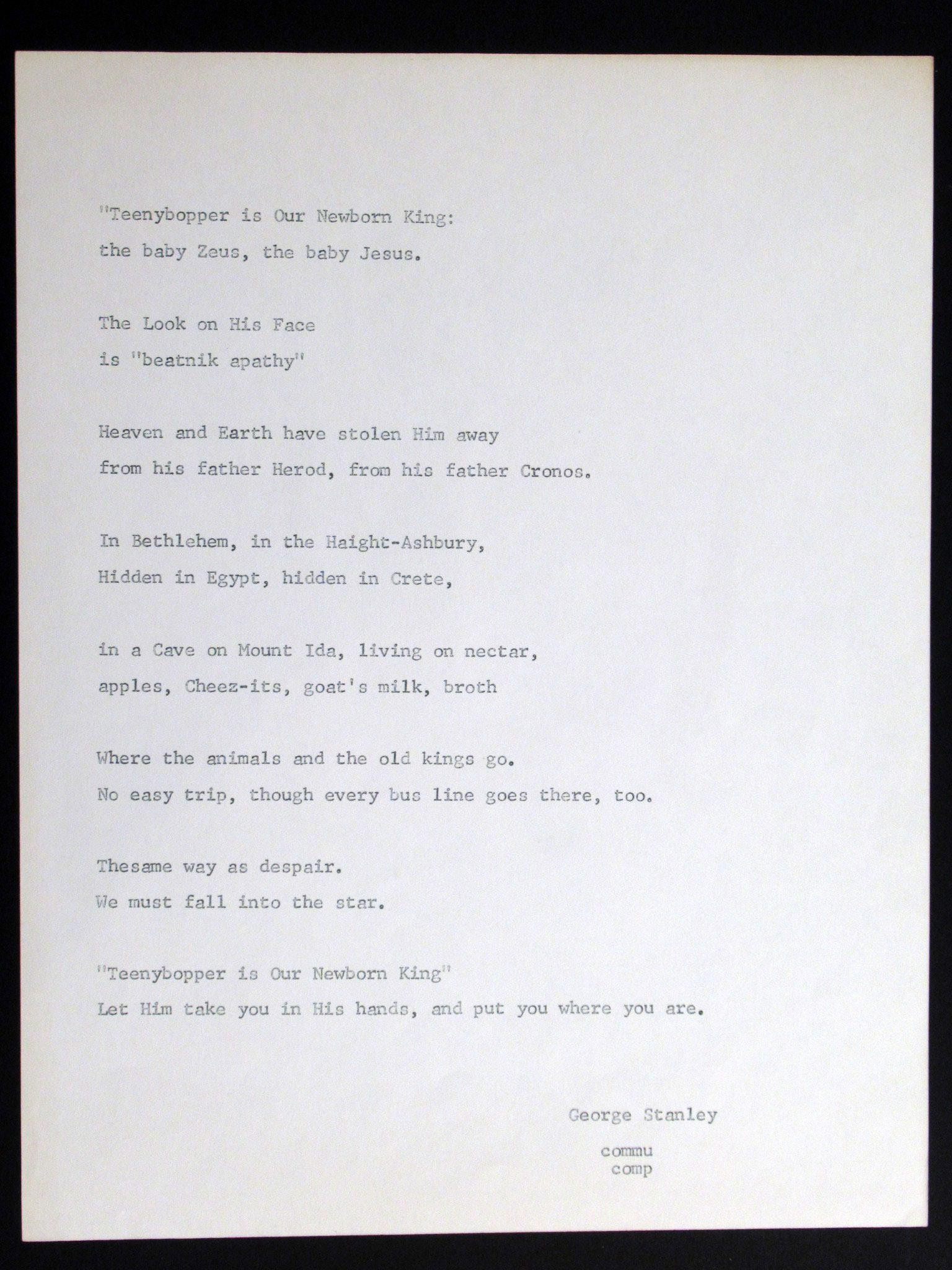
1967.05.050 Handbill: “"Teenybopper is Our Newborn King: George Stanley”
|
|
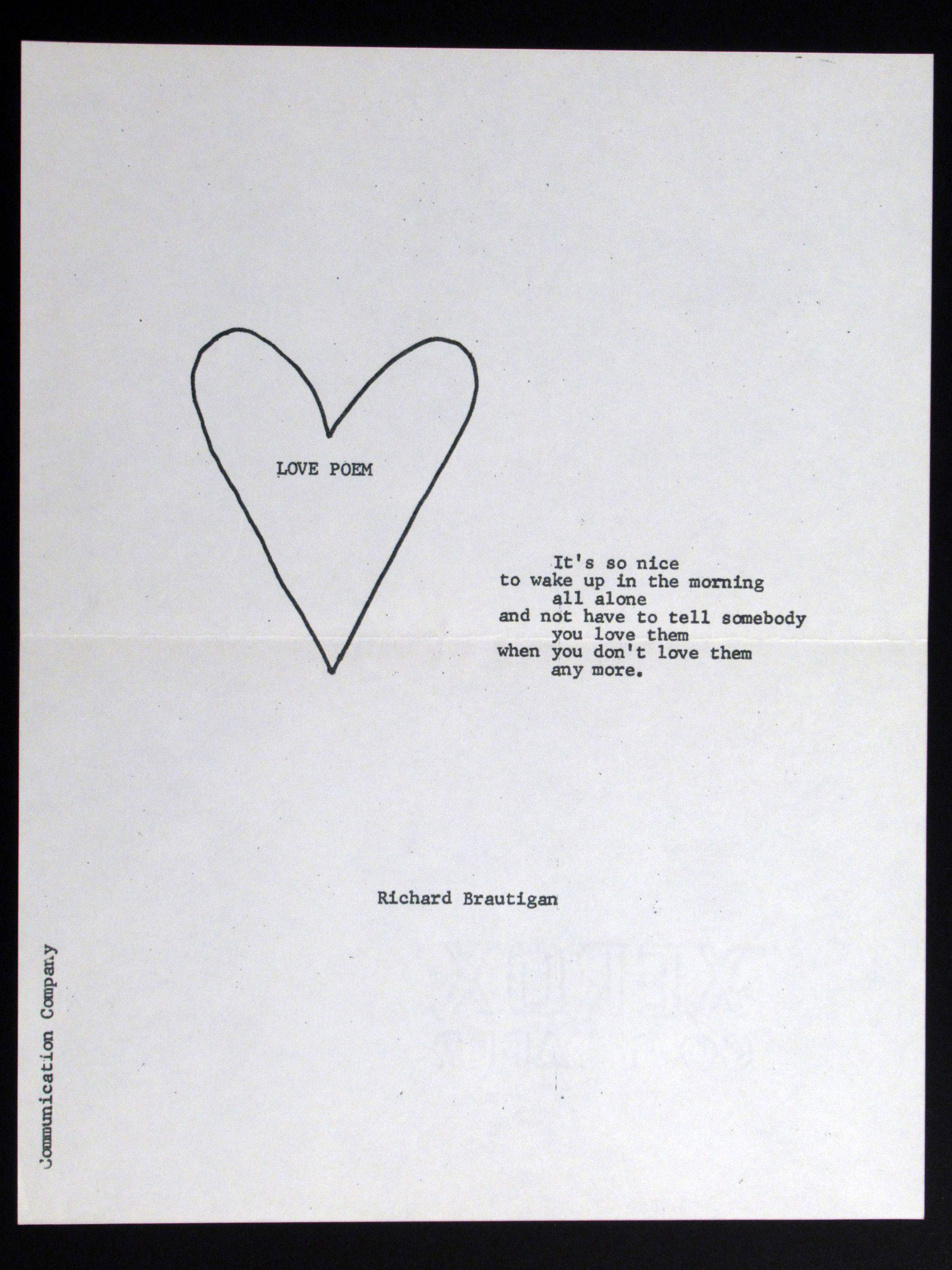
1967.05.052 Handbill: “Love Poem (Brautigan)”
|
|
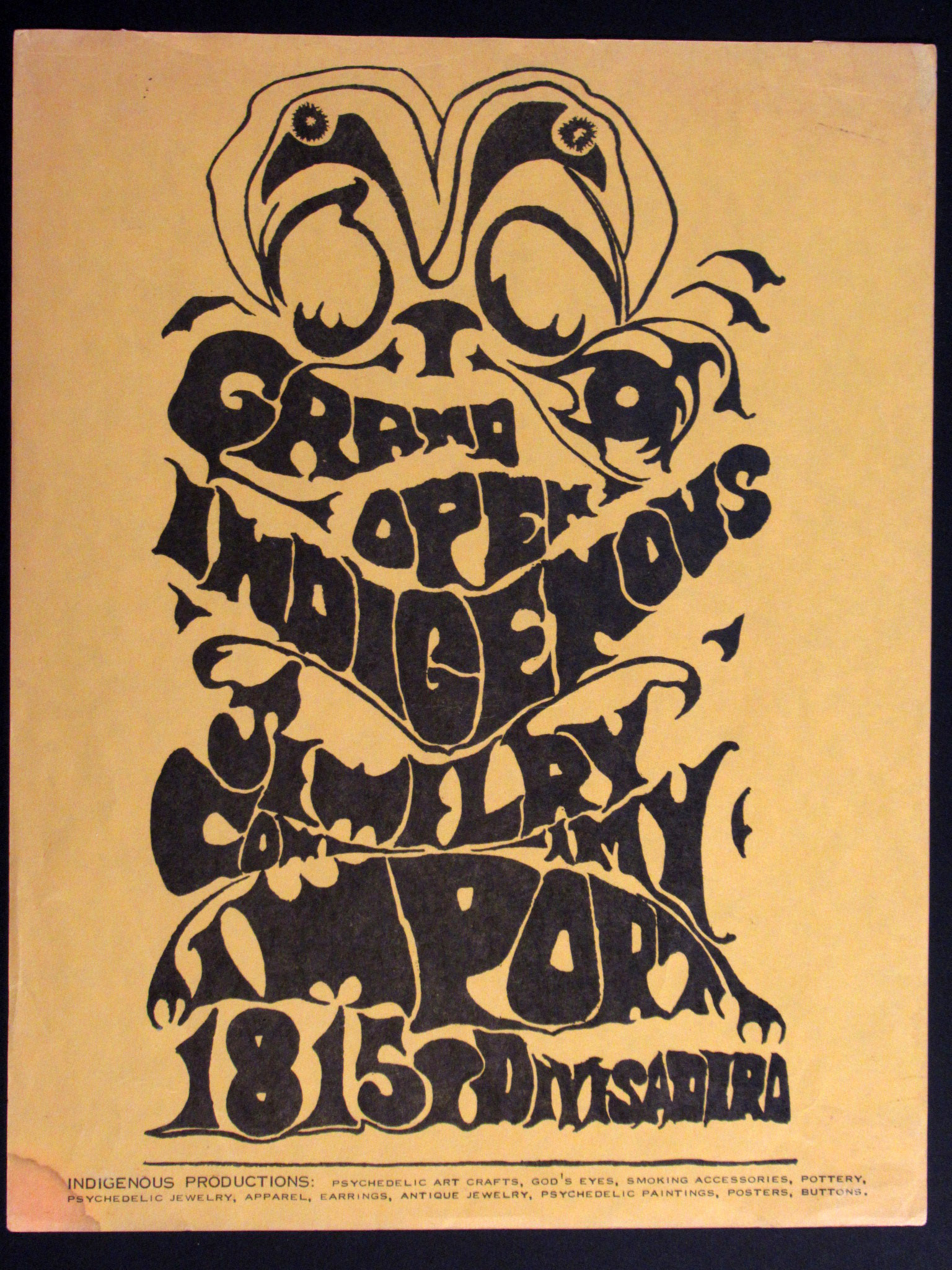
1967.05.053 Handbill: “Grand Open Indigenous Jewelry Company”
|
|
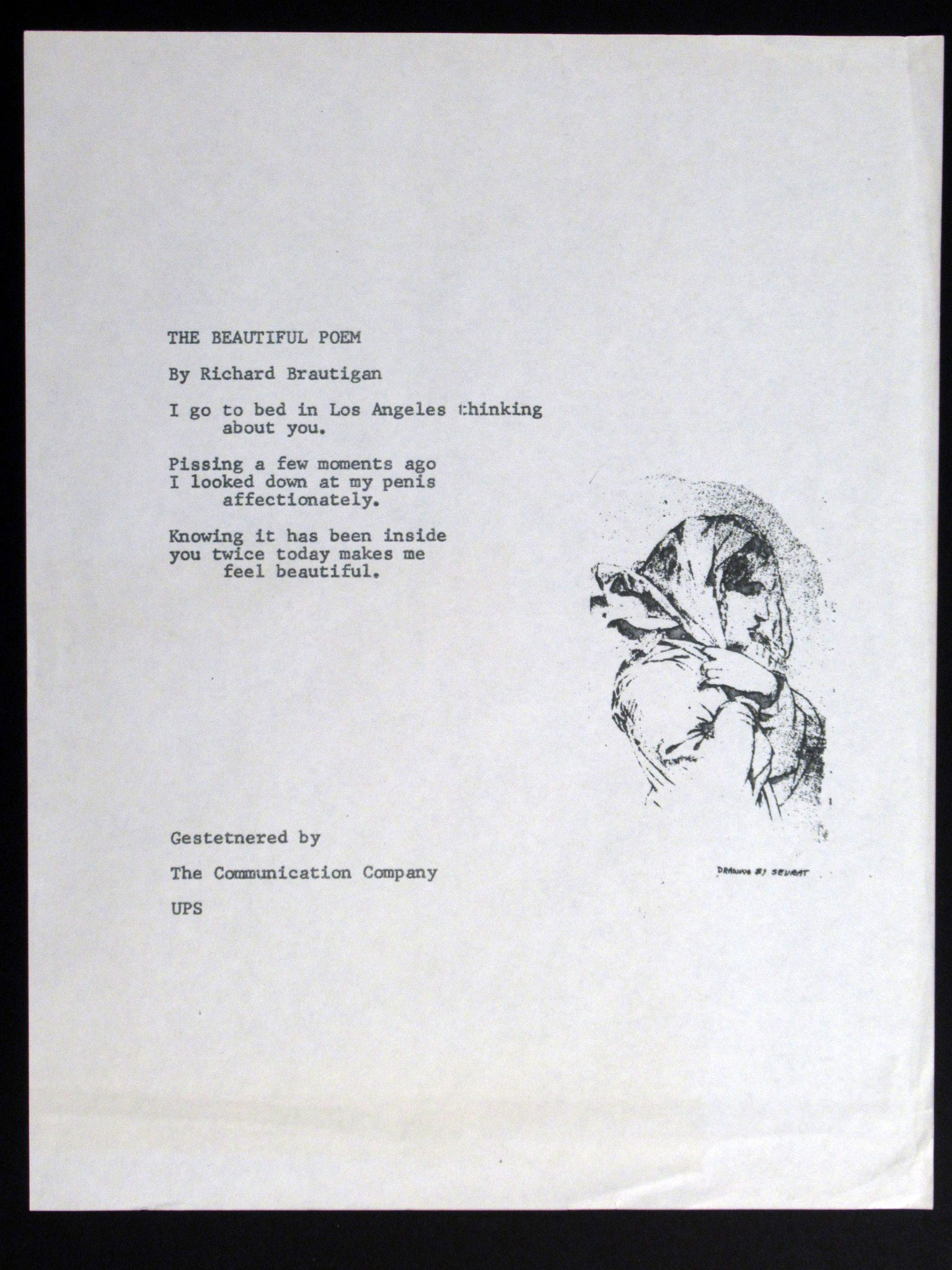
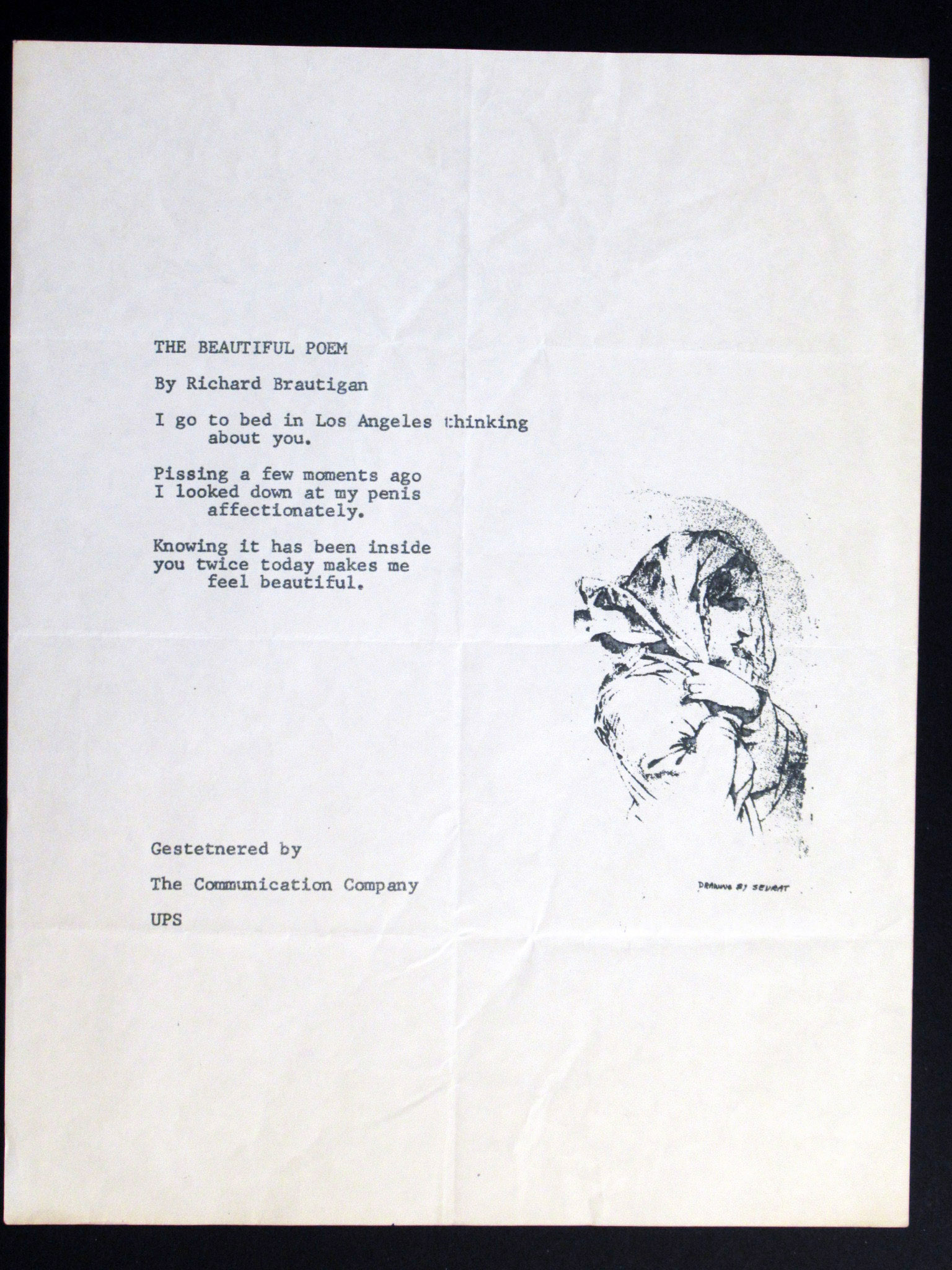
1967.05.054 Handbill: “The Beautiful Poem (Brautigan)”
|
|
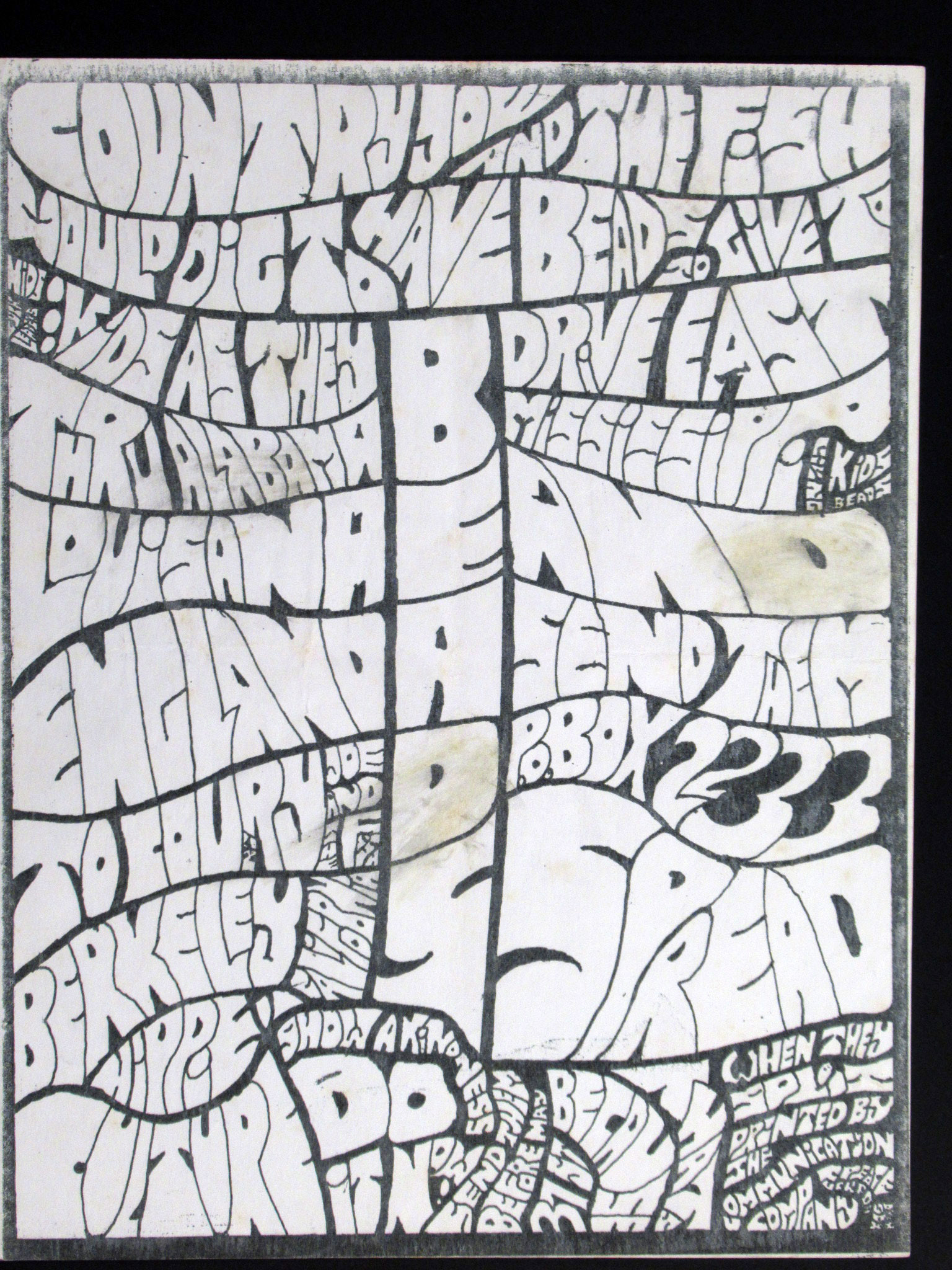
1967.05.055 Handbill: “COUNTRY JOE AND THE FISH WOULD DIG TO HAVE BEADS TO GIVE”
|
|
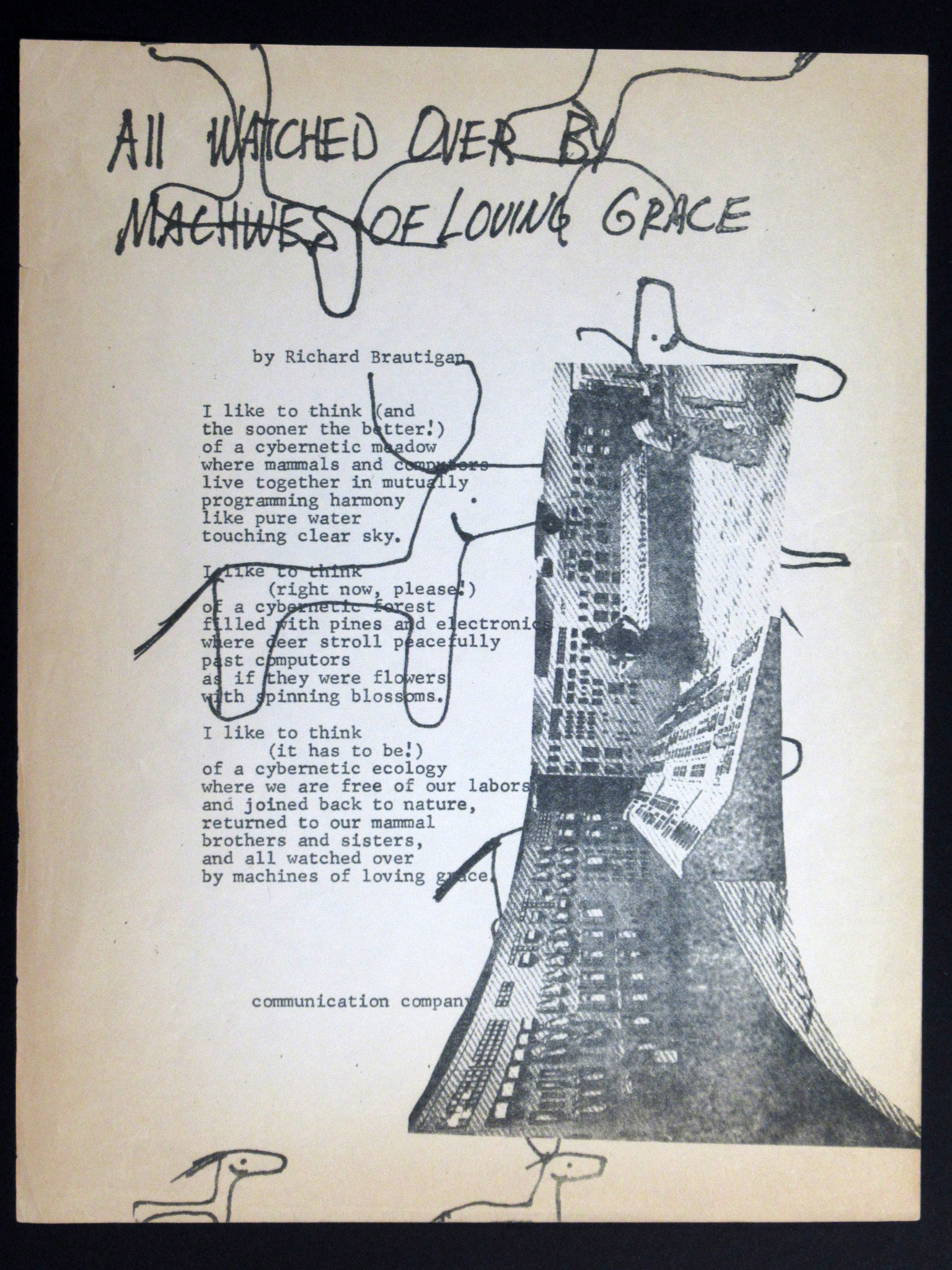
1967.05.056 Handbill: “All Watched Over by Machines (Bank of Computers)”
|
|
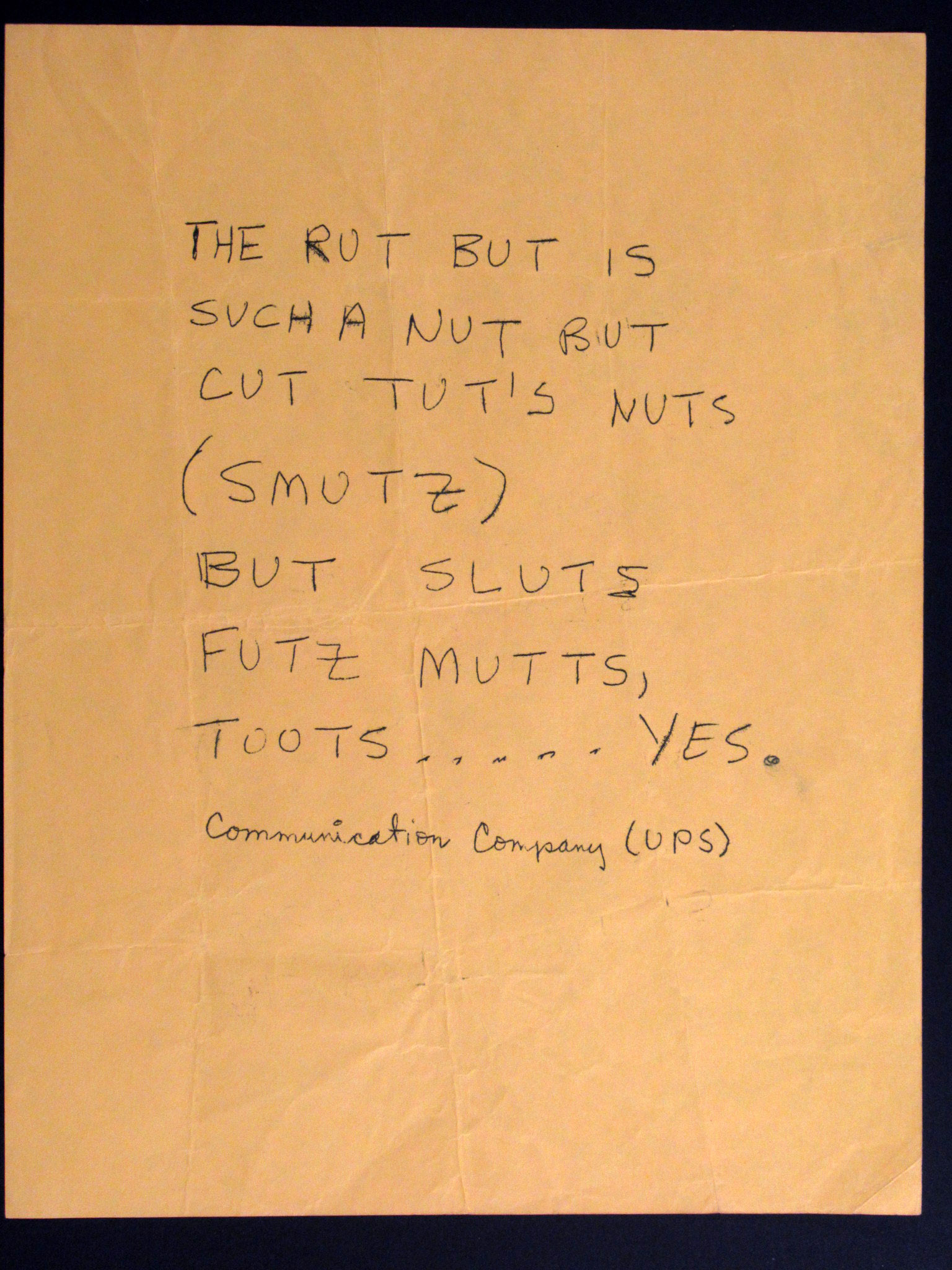
1967.05.057 Handbill: “THE RUT BUT IS SUCH A NUT BUT CUT TUT'S NUTS”
|
|
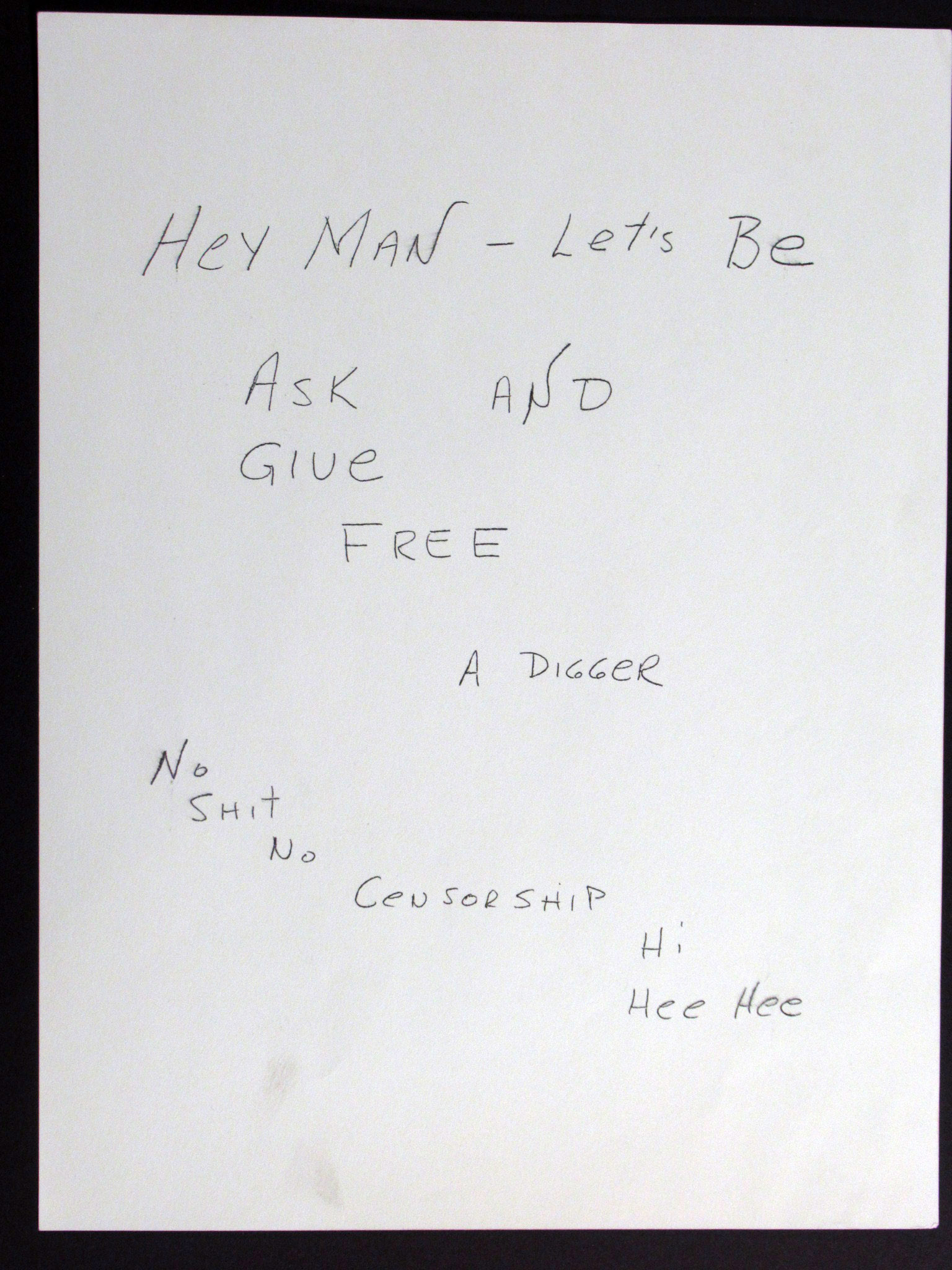
1967.05.058 Legal Size: “Hey Man Let's Be Ask AND GIVE FREE A DIGGER”
|
|
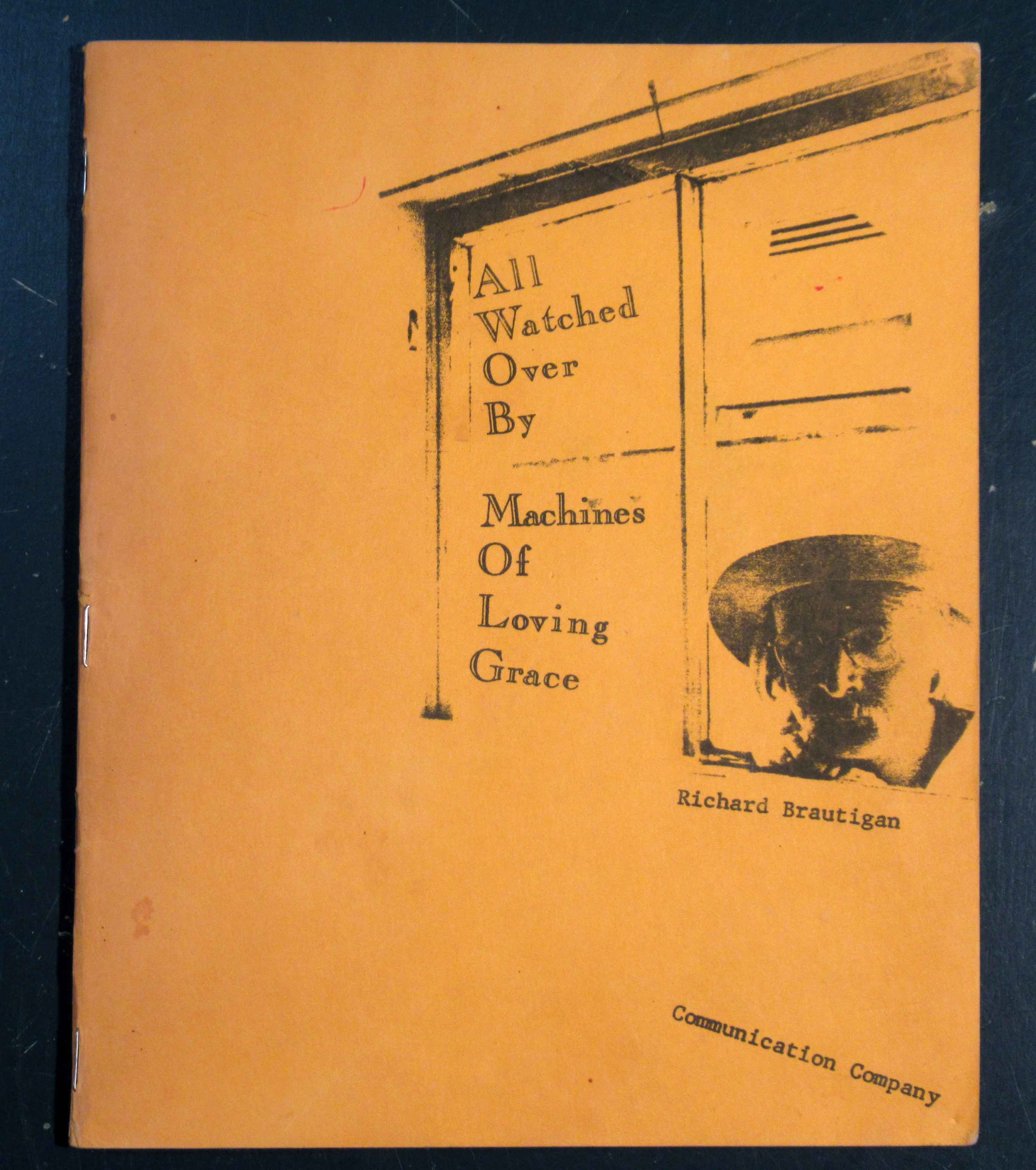
1967.05.059 Booklet: “All Watched Over By Machines (Brautigan booklet)”
|
|
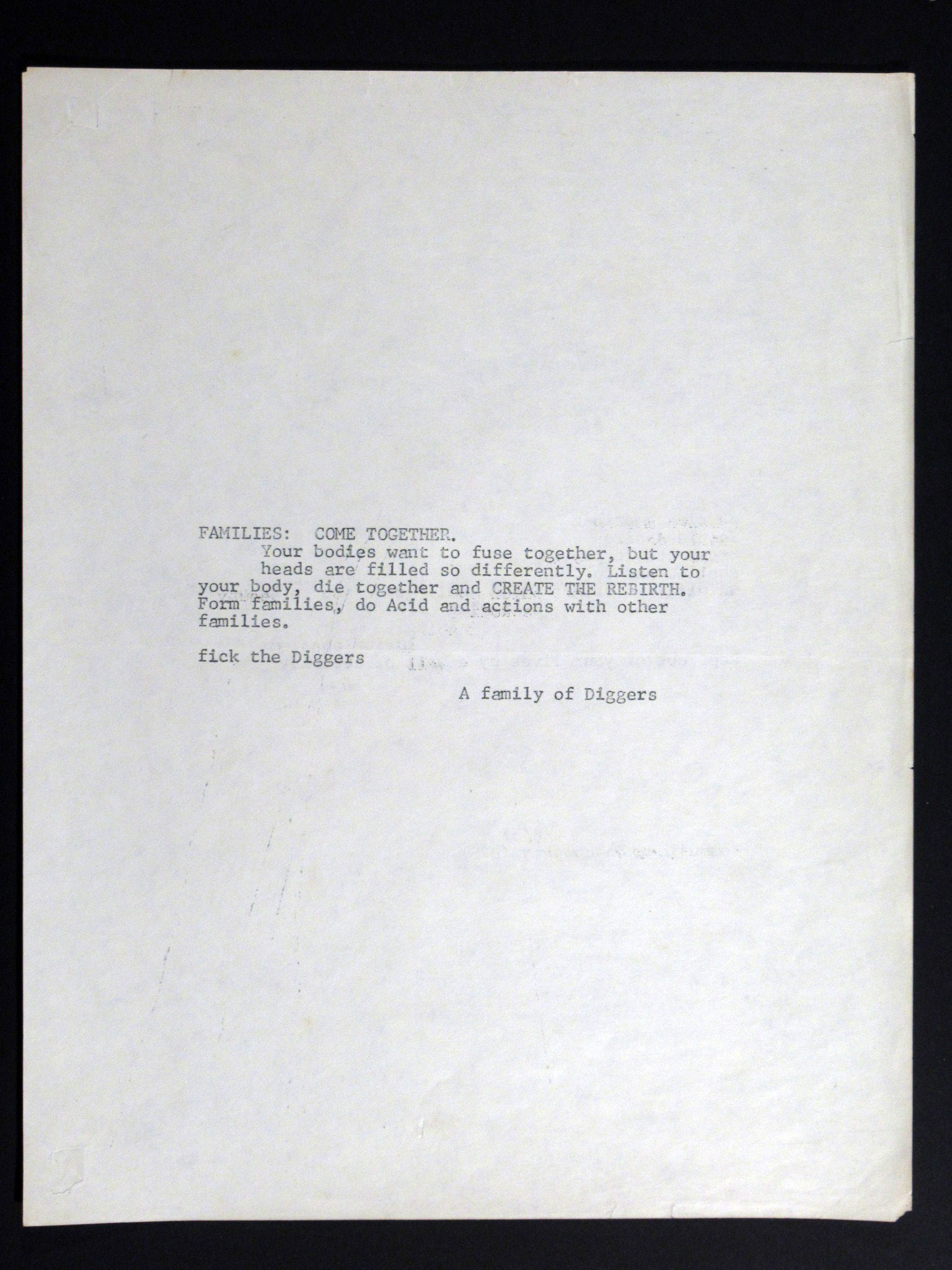
1967.05.063 Handbill: “FAMILIES: COME TOGETHER.”
|
|
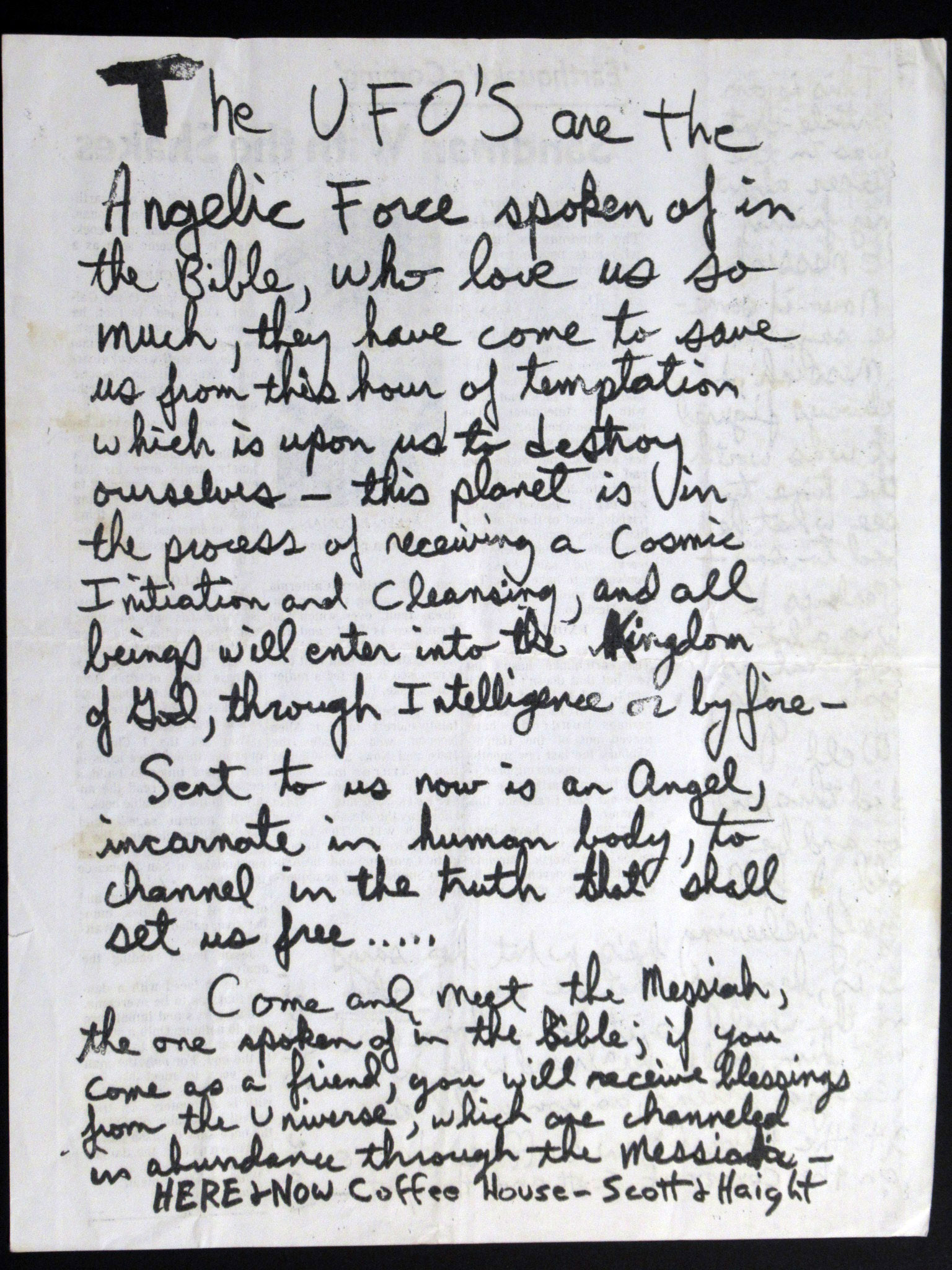
1967.05.064 Handbill: “The UFO'S are the Angelic Force spoken of in the Bible,”
|
|
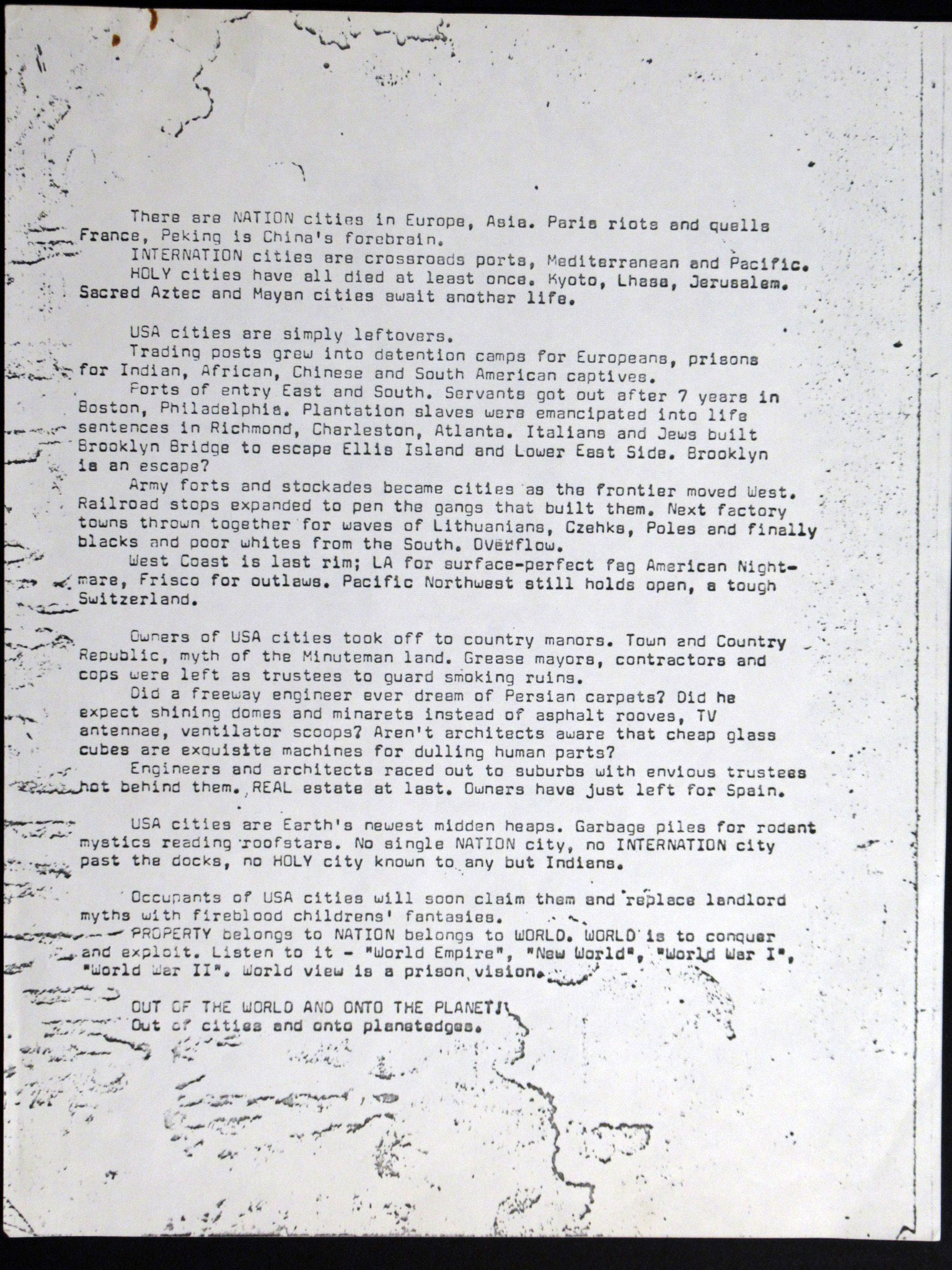
1967.05.065 Legal Size: “There are NATION cities in Europe,”
|
|
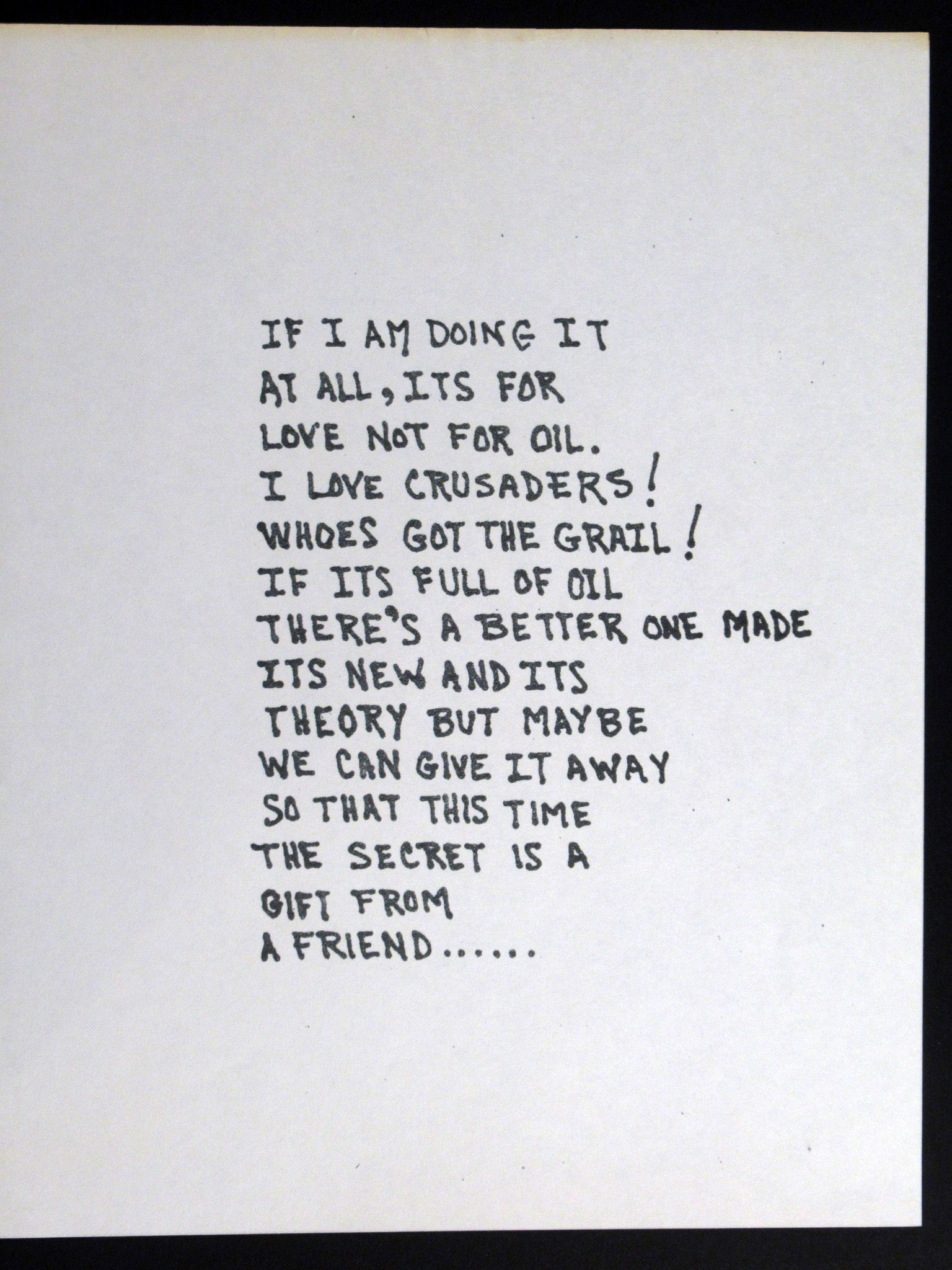
1967.05.066 Legal Size: “IF I AM DOING IT AT ALL, ITS FOR LOVE NOT FOR OIL.”
|
|
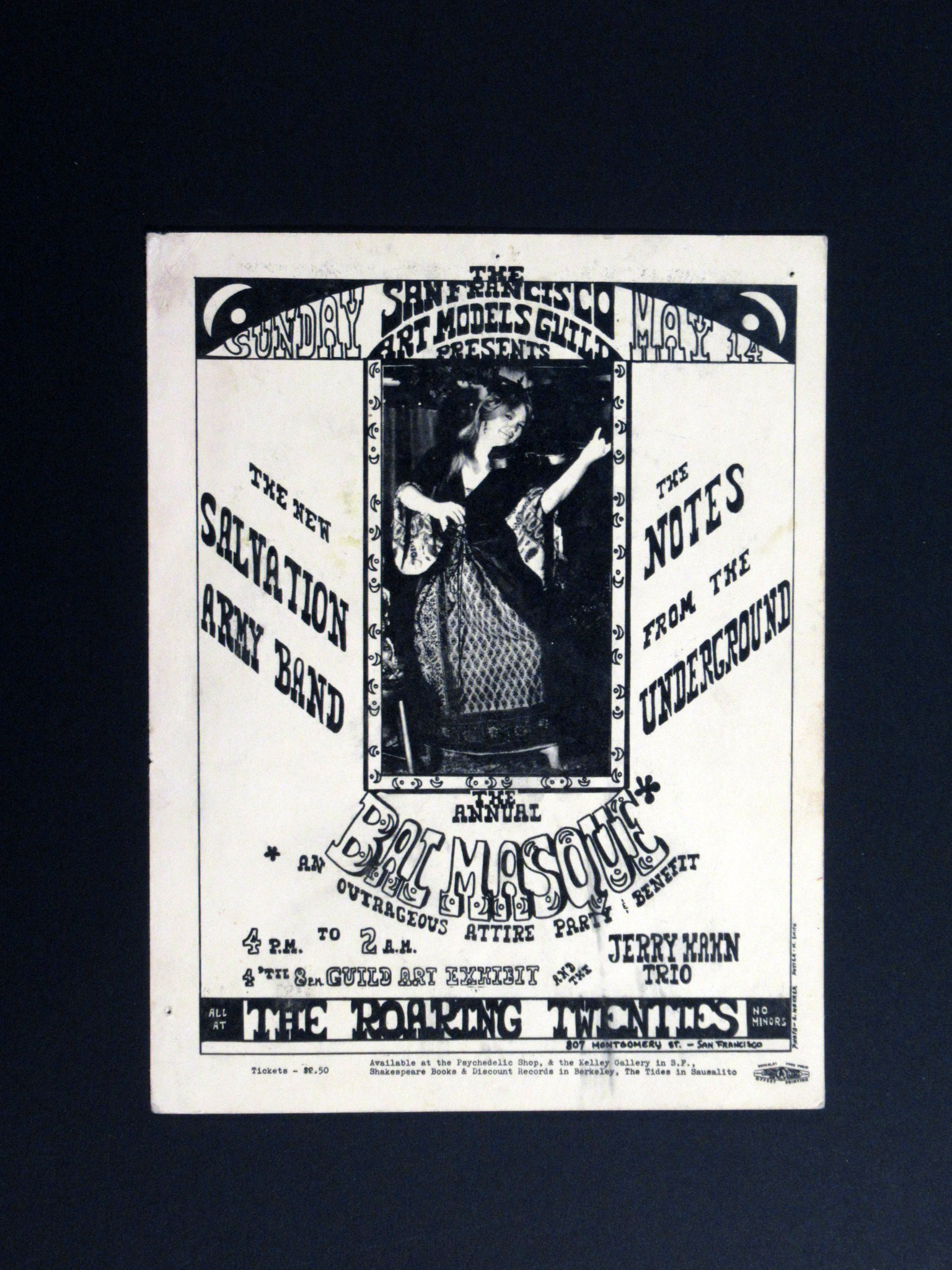
1967.05.067 Handbill: “The San Francisco Art Models Guild Presents”
|
|
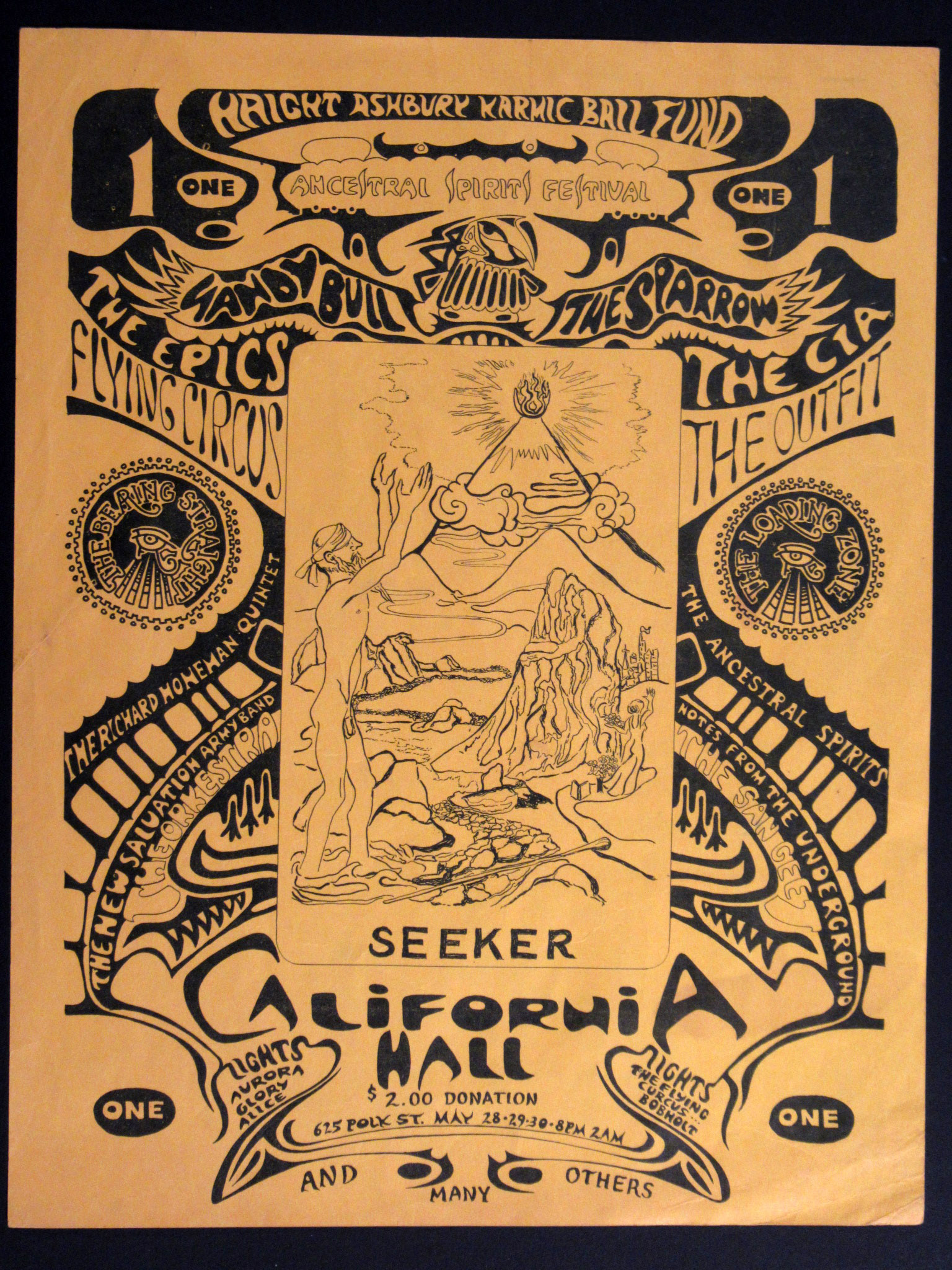
1967.05.068 Handbill: “Haight Ashbury Karmic Bail Fund”
|
|
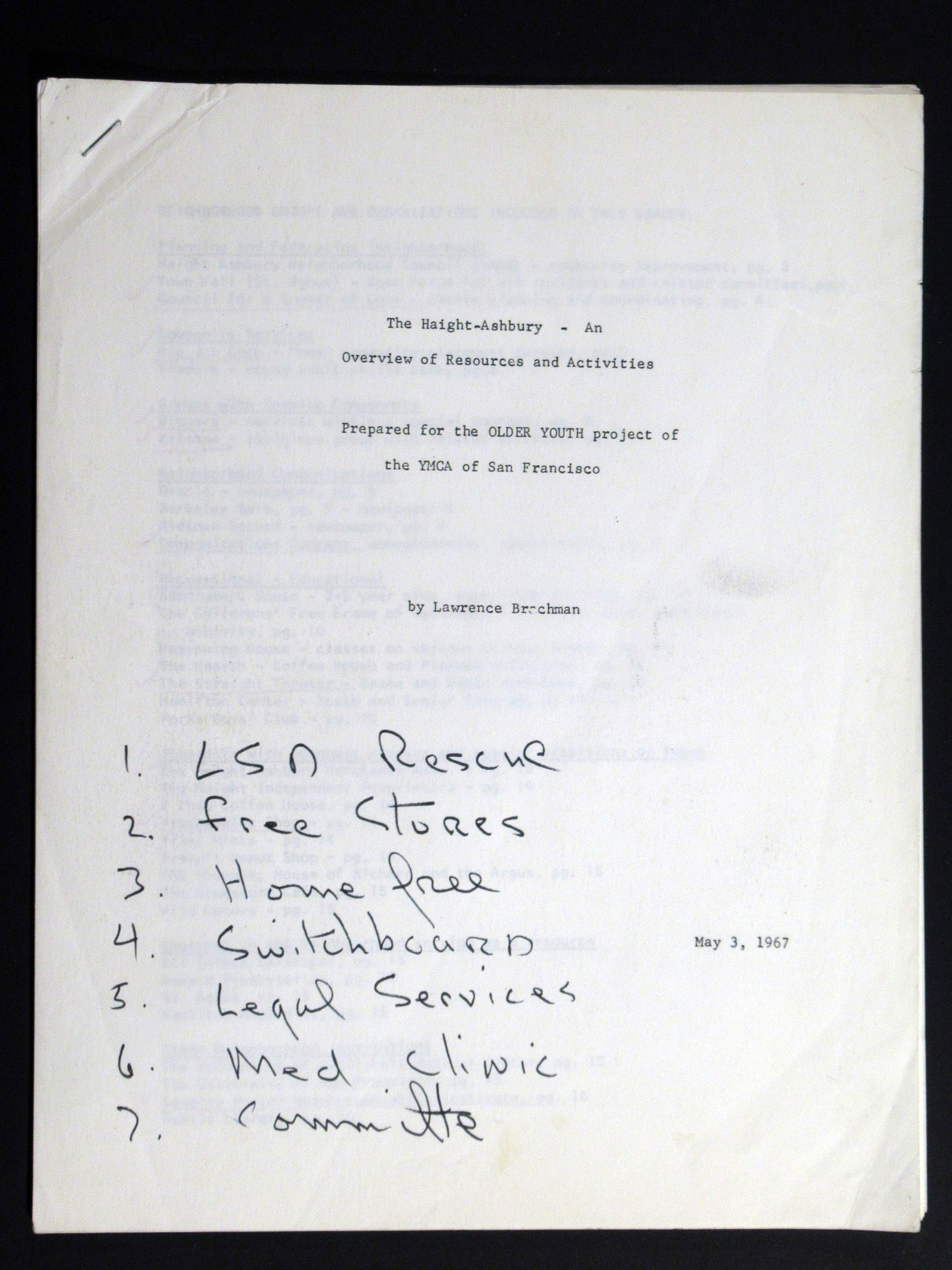
1967.05.069 Magazine: “The Haight Ashbury - An Overview of Resources and ActivitiesYMCA of San Francisco”
|
|
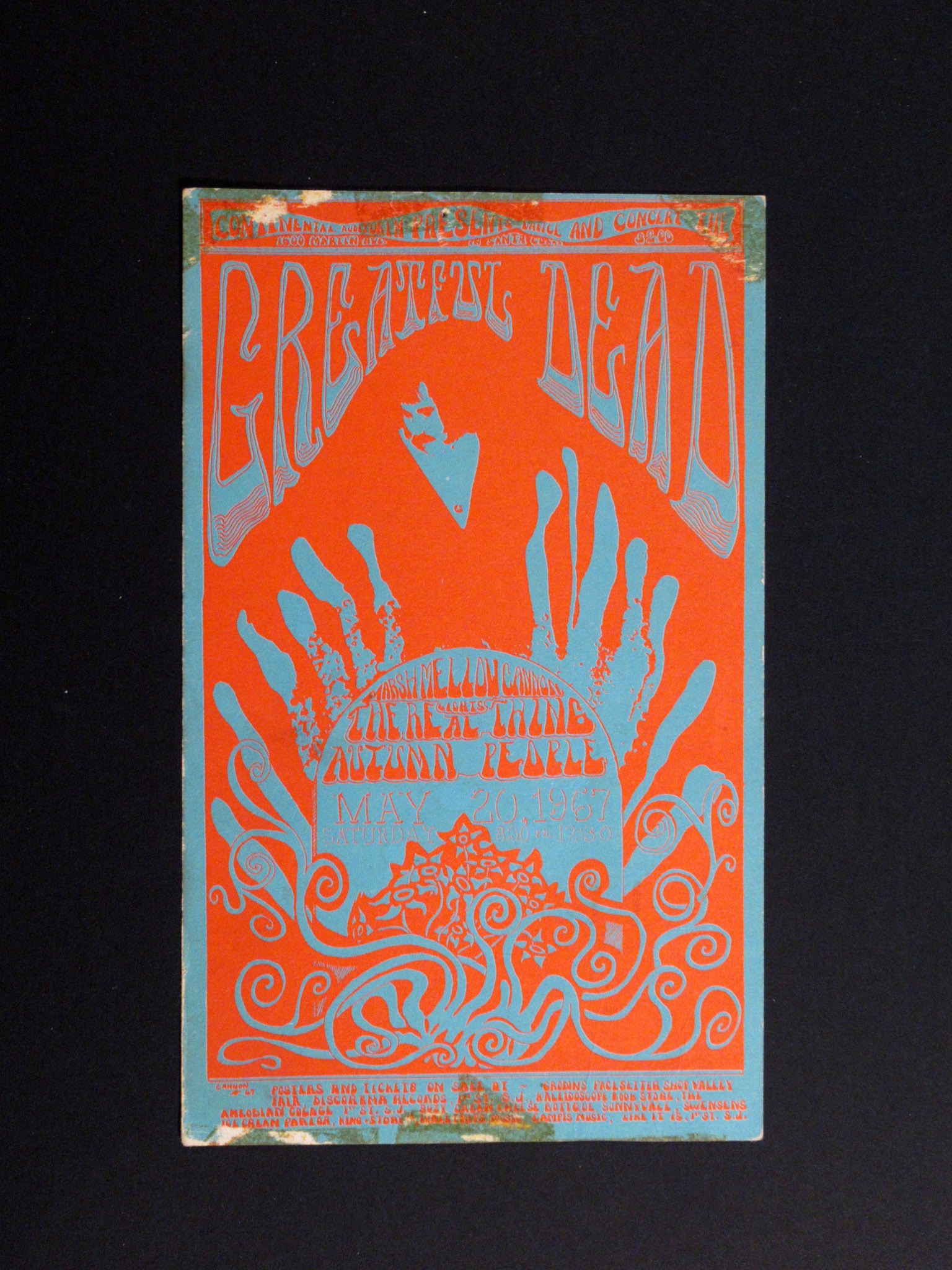
1967.05.070 Handbill: “Greatful Dead Marshmello Cannon”
|
|
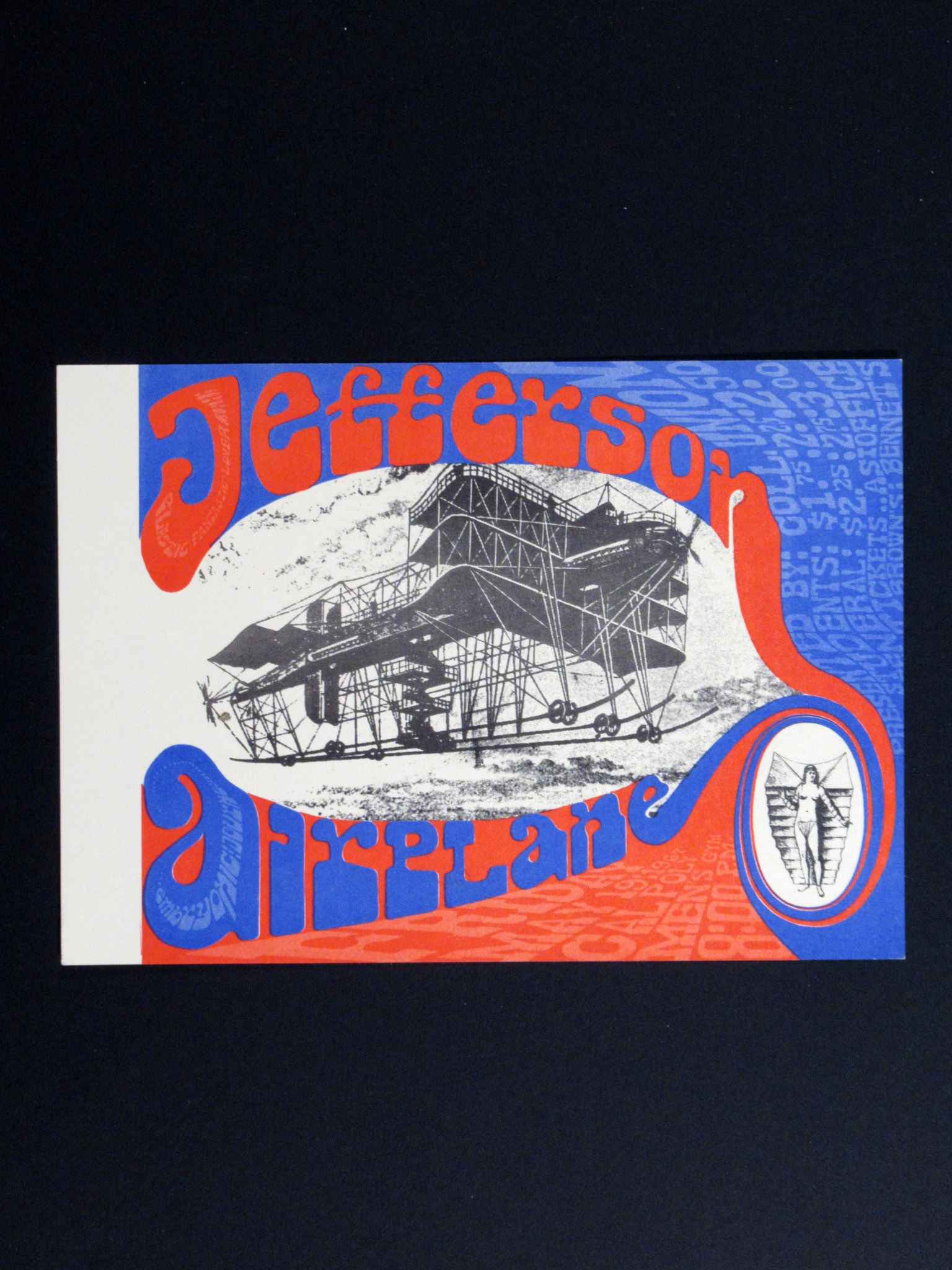
1967.05.071 Handbill: “Jefferson Airplane May 19 1967”
|
|
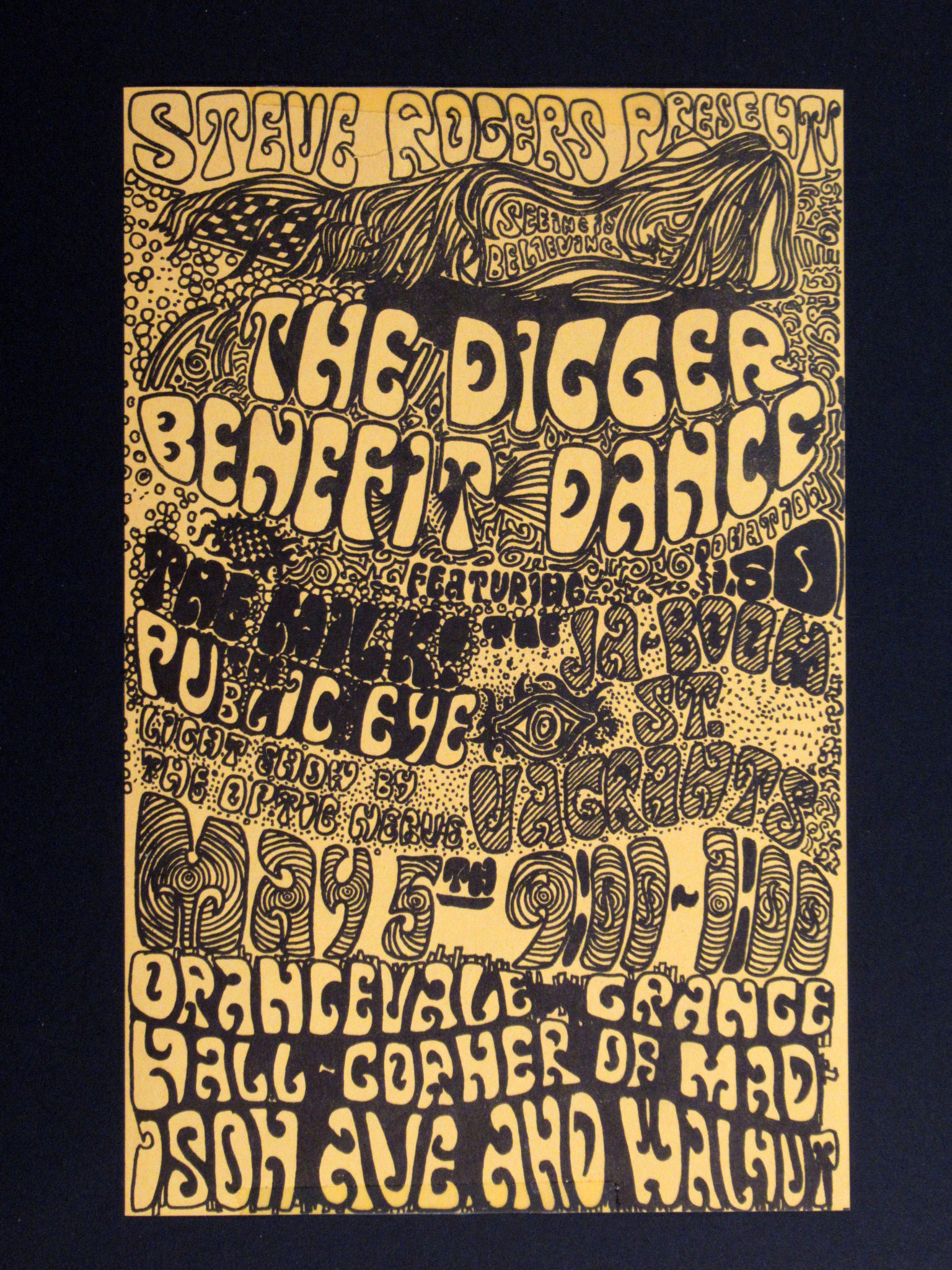
1967.05.072 Handbill: “Digger Benefit Dance”
|
|
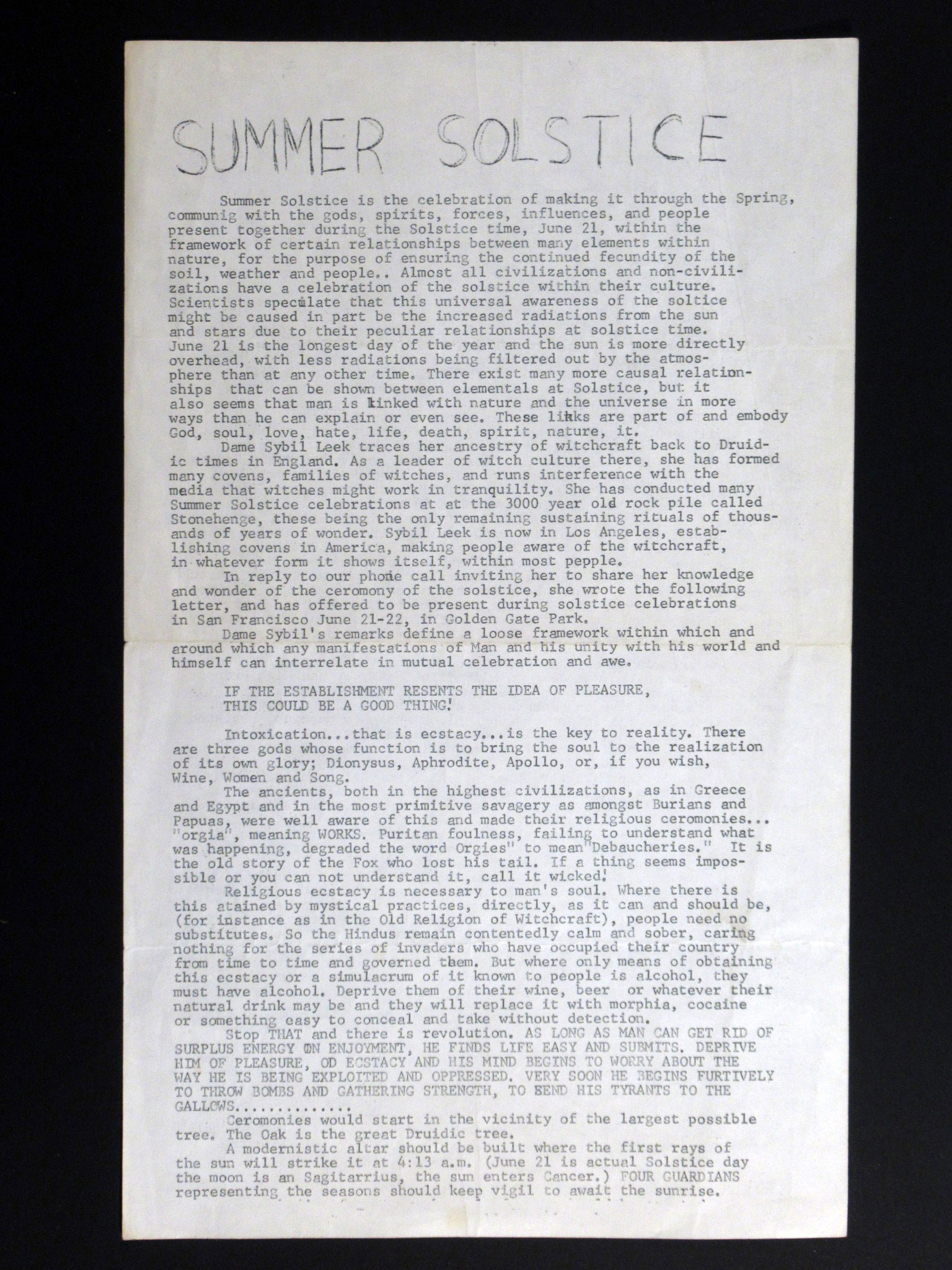
1967.05.073 Legal Size: “Summer Solstice 5/24/67”
|
|
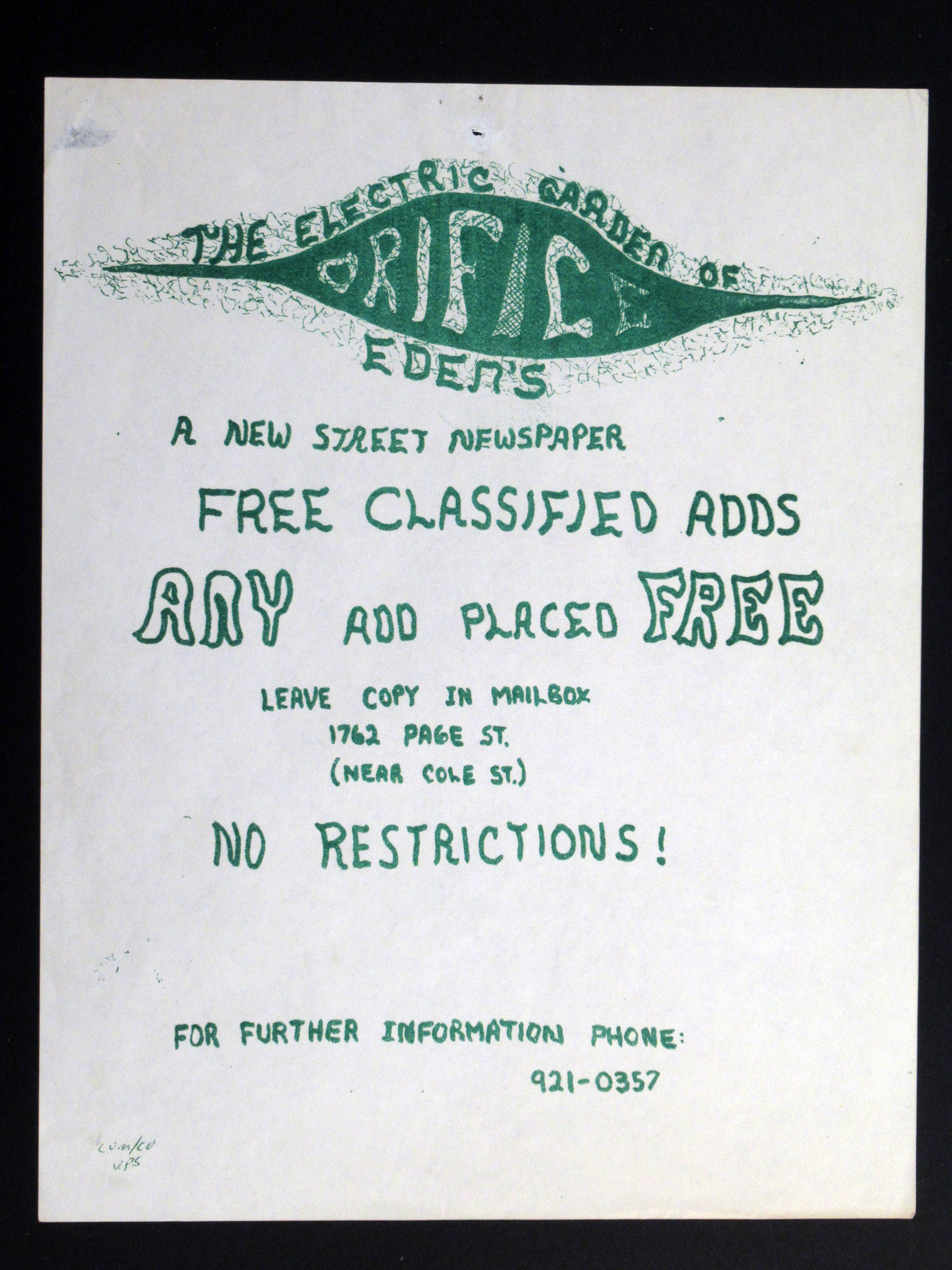
1967.05.074 Handbill: “The Electric Garden of Eden's Orifice - A new street newswpaper”
|
|
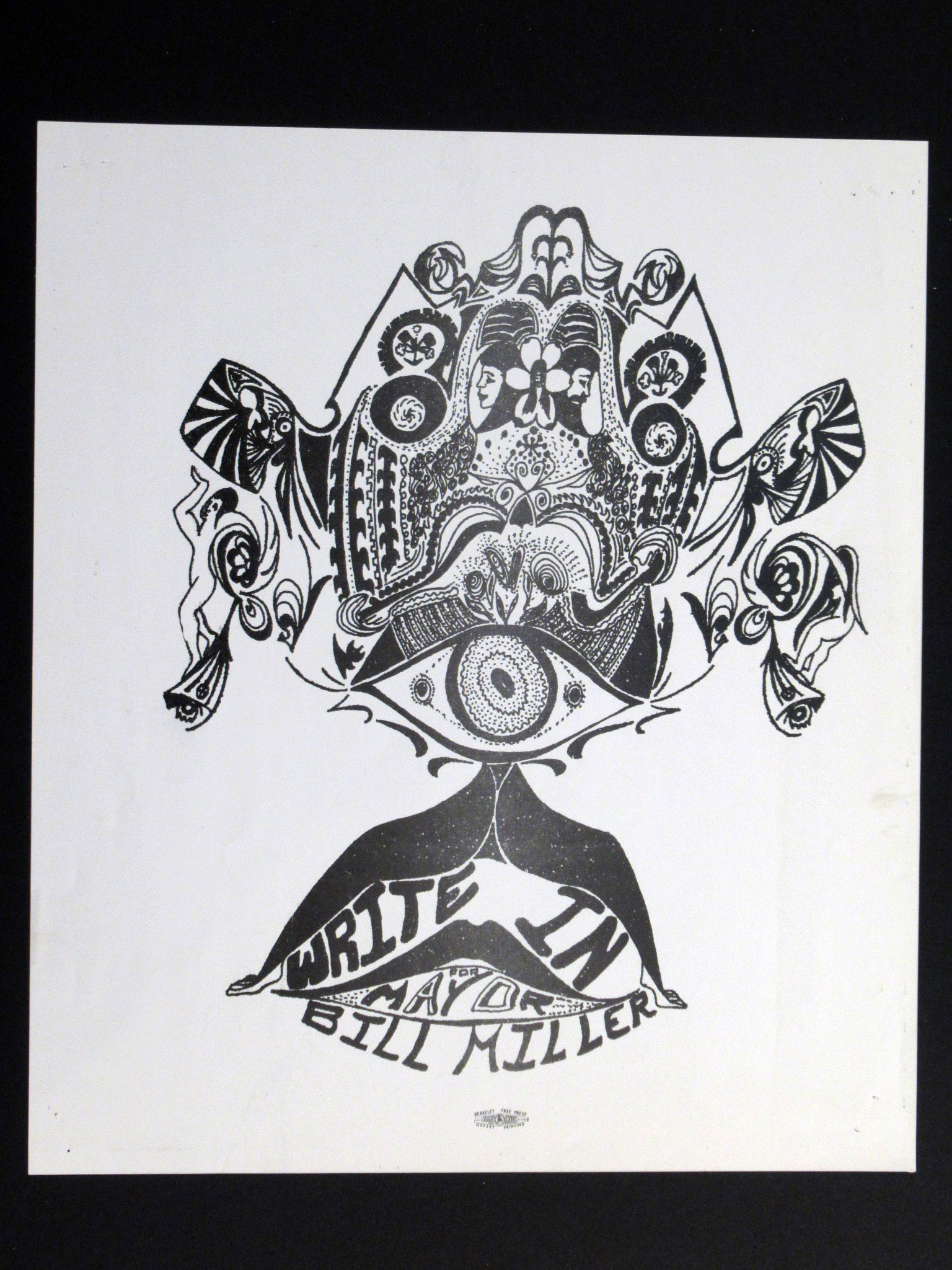
1967.05.075 Handbill: “WRITE IN BILL MILLER for MAYOR”
|

|
1967.05.076 Poster: “How Do You Want To Live?FREE CUT CONVENTION posterCarousel Ballroom”
|
|
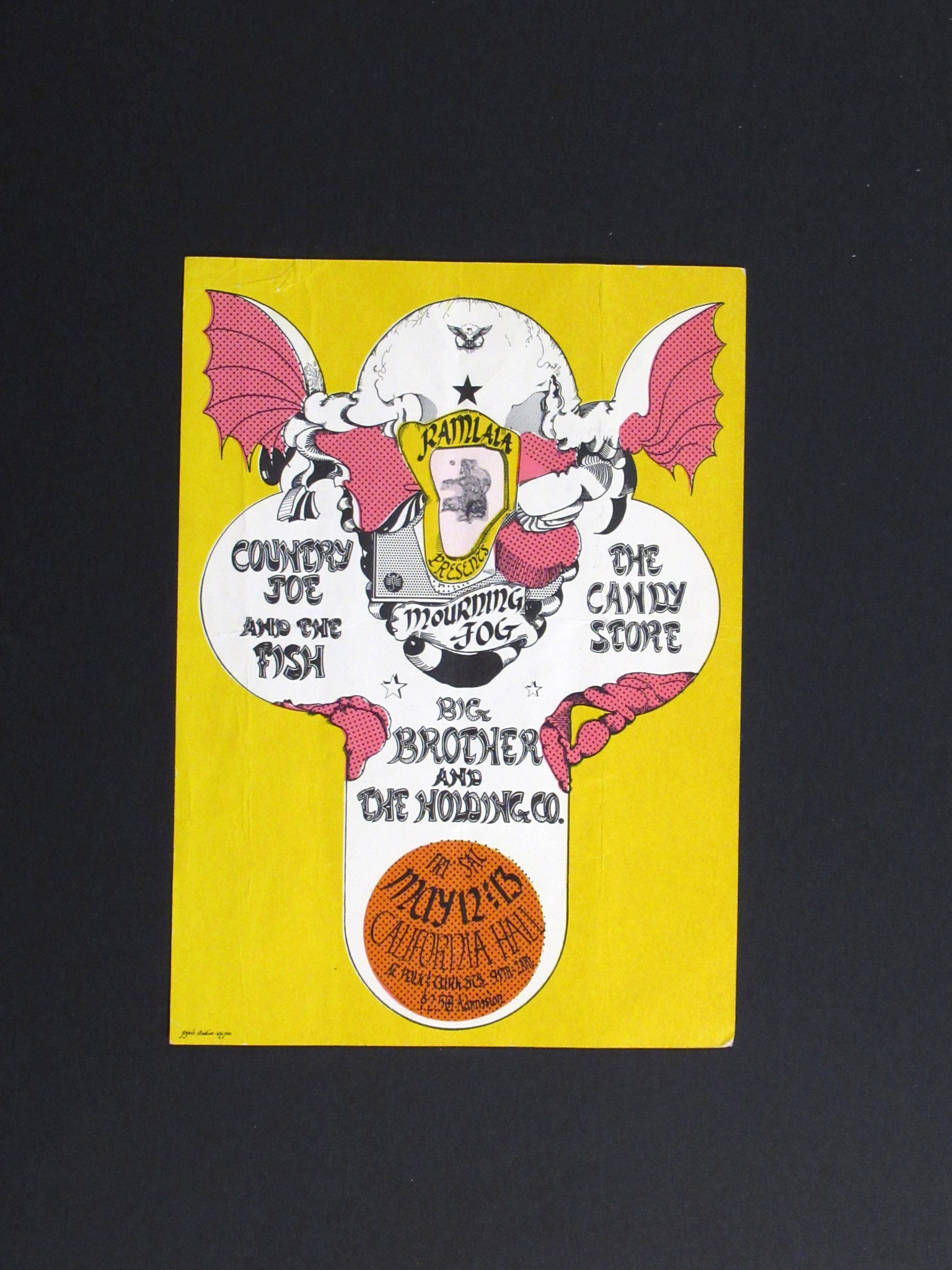
1967.05.077 Handbill: “Ramlala PresentsCountry Joe and the FishThe Candy StoreBig Brother and the Holding CoMay 12 13 1967California Hall”
|
|
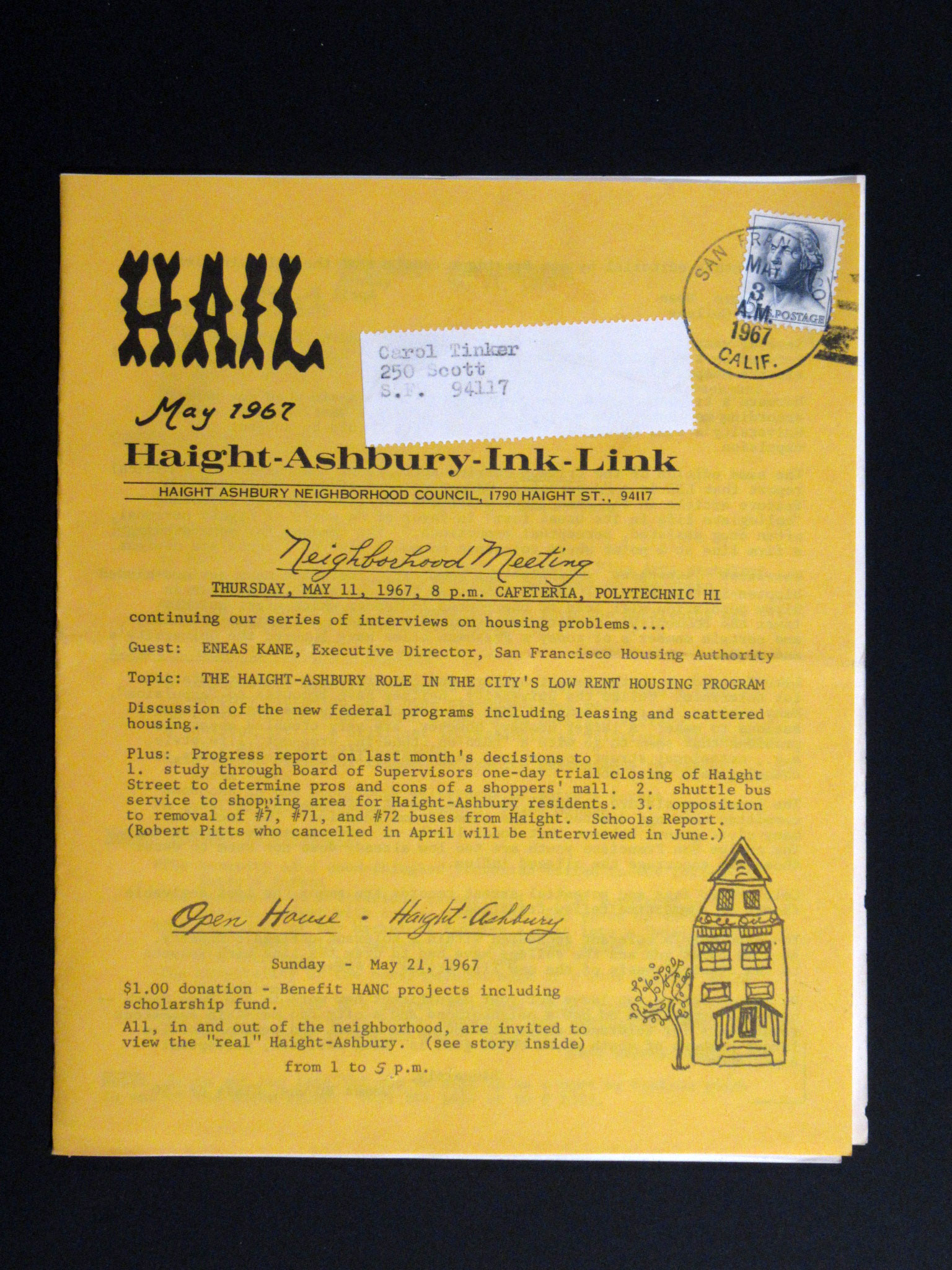
1967.05.078 Booklet: “Haight Ashbury Ink Link (HAIL)Haight Ashbury Neighborhood Council Newsletter”
ohn Monro, Dean April 24, 1967 Harvard College Several years ago Harvard University fired Dr. Timothy Leary when he refused to stop mixing teenage students and LSD. His subsequent promotional efforts helped create the "hippy" phenomenon. Harvard's tradition of tolerance was interrupted again when you warned, according to the April 14, Crimson, that students wasting their and the University's time by toying with LSD and "pot" would be subject to expulsion. The same edition of the Crimson carried accounts of the University's medical report that LSD is a "desperately dangerous form of drug roulette". A feature article in the same issue described the true hippy as rejecting "collegiate life in its usual form" in favor of "a world of highly personal, often drug assisted, perceptual experience." The reasons for your drawing a firm line at a point where tolerance became a kind of license are obvious. ********** The community, including many serious-minded hippies-in-residence, is deeply concerned that any sizable increase in hippy population will lead to unexpected incidents which might quickly lower the community's traditional level of tolerance -- just as Dr. Leary and certain member's of today's Freshman class have lowered the University's and yours. Like Harvard, both the Haight Ashbury and San Francisco enjoy reputations for tolerance. Unlike the University, neither have recourse to "expulsion". Many natives, in fact, contend that the new community has positive contributions to make. A larger number, however, are very troubled about the problems that seem to go with a "turn-on, tune-in, drop-out" life style, e.g., occasional street congestion, technically illegal use of drugs, changing land uses, etc. The local legislature on April 28 holds one of perhaps a series of committee meetings devoted to the summer time question. The fact that many civic groups believe that local levels of various services operating for native San Francisco youth are too low already does not seem to deter those who encourage the alleged influx. Cold summer fogs and potential arrest records are among the less desirable facets of summertime fellow-traveling. You have been a tolerant spokesman within a tolerant college community. At some point you and the college have had to draw the line with respect to the chemical basis of the new life styles. Do you -- before you leave for your magnificent new work in the Deep South --have any suggestion on how a neighborhood and a city can maintain excellent reputations for tolerance while attempting to adjust and perhaps service larger numbers of youth whose chief goal is "drug assisted, perceptual experience?" Sincerely, James Browne, Class of '50
|
|
1967.05.079 Handbill: “street news for the tenth of may PUBLIC ACTS ARE PUBLIC KNOWLEDGE”
|
|
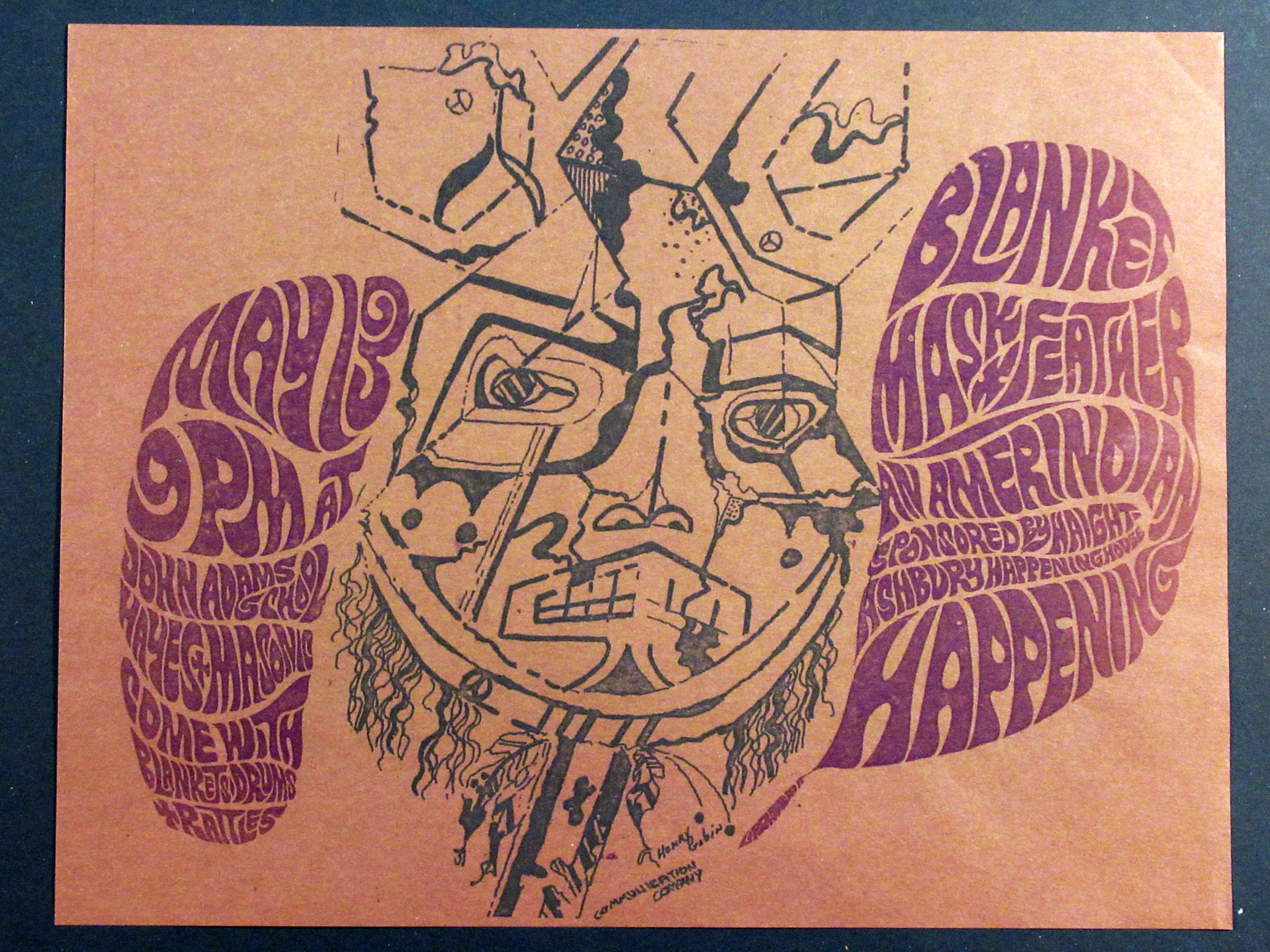
1967.05.080 Handbill: “May 13 9 Pm at John Adams school Blanket Mask Feather (red-orange paper)”
|
|
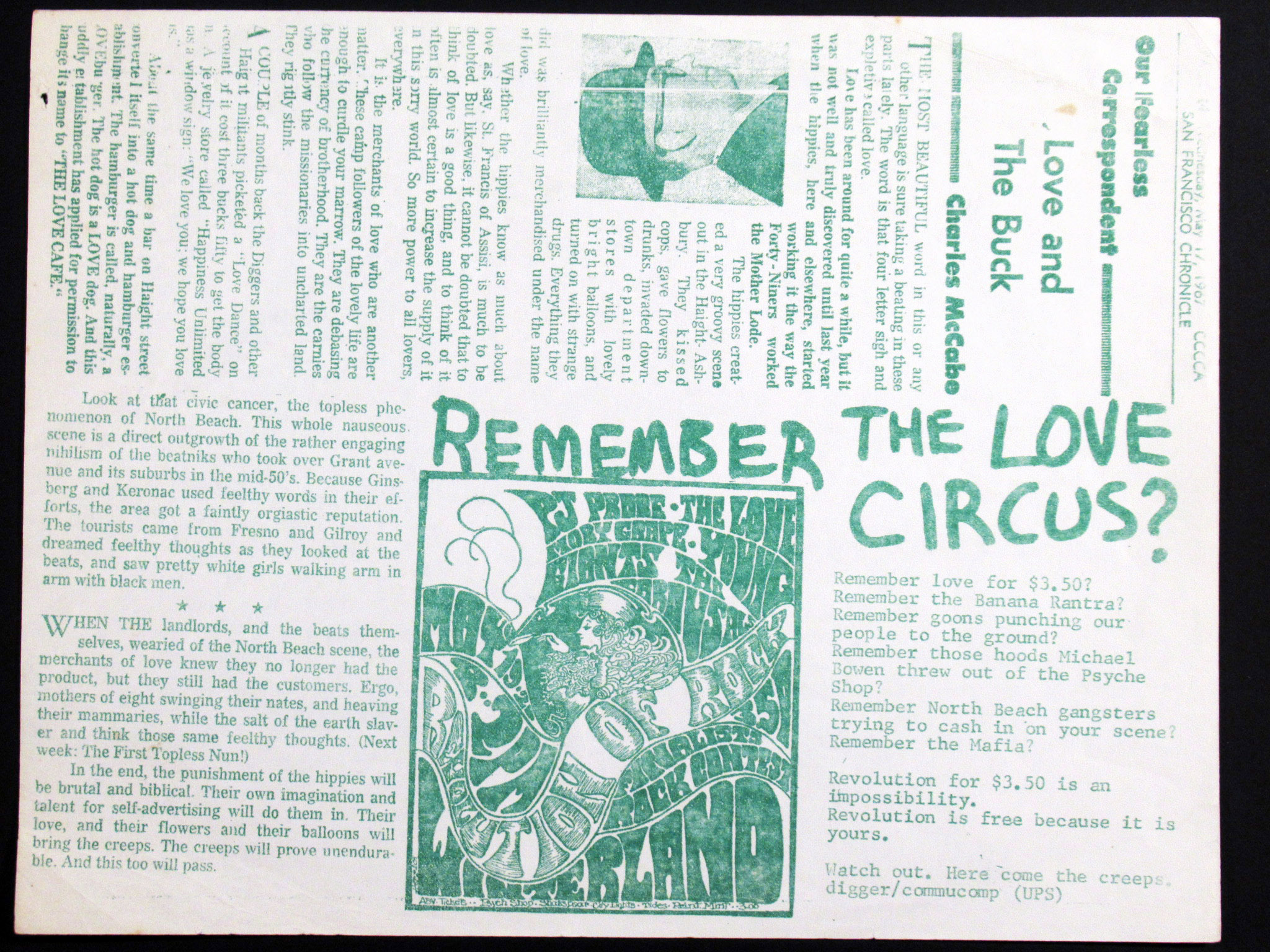
1967.05.081 Handbill: “May 13 9 Pm at John Adams school Blanket Mask Feather (brown paper)”
|
|
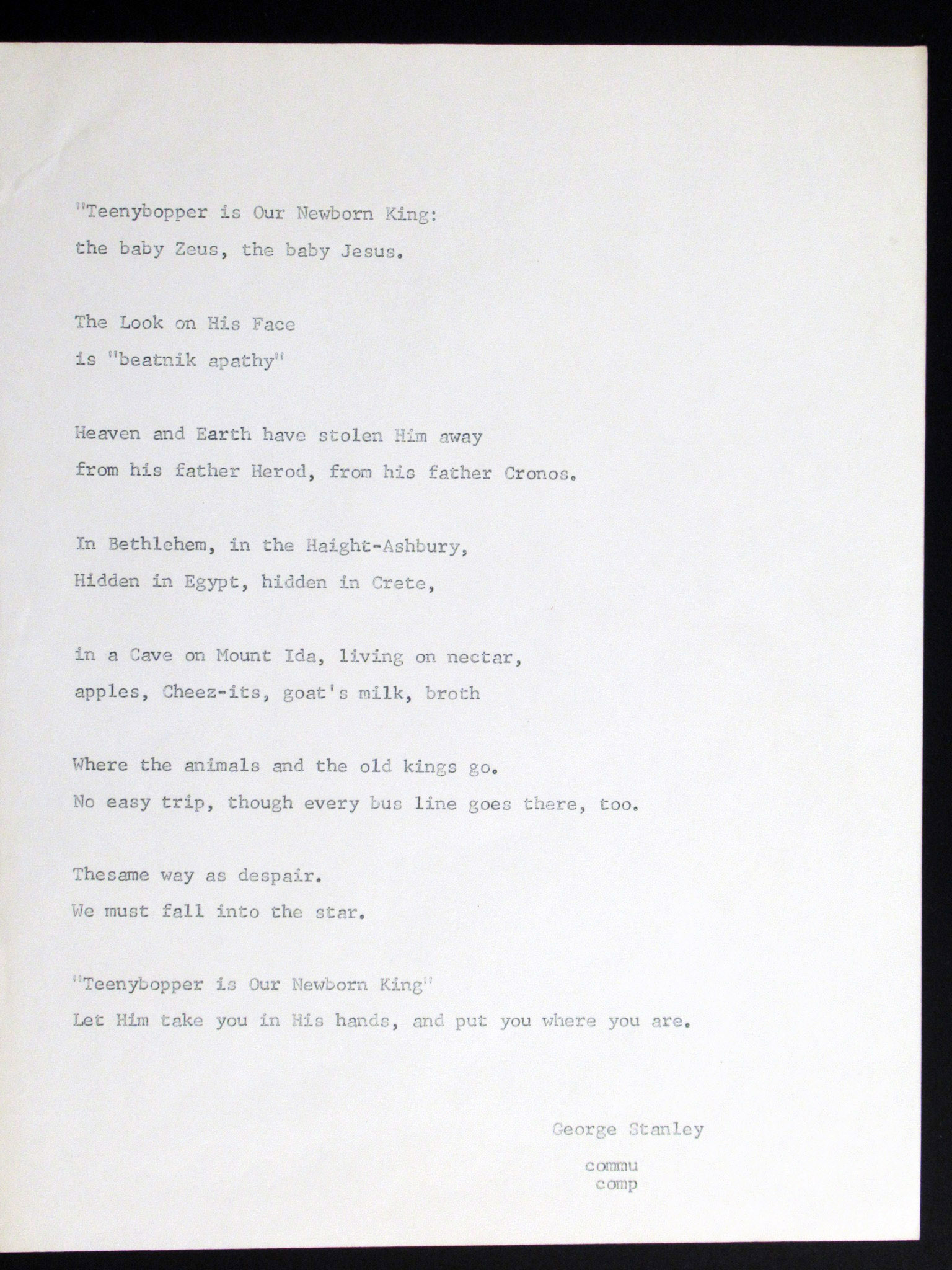
1967.05.082 Handbill: “REMEMBER THE LOVE CIRCUS”
|
|
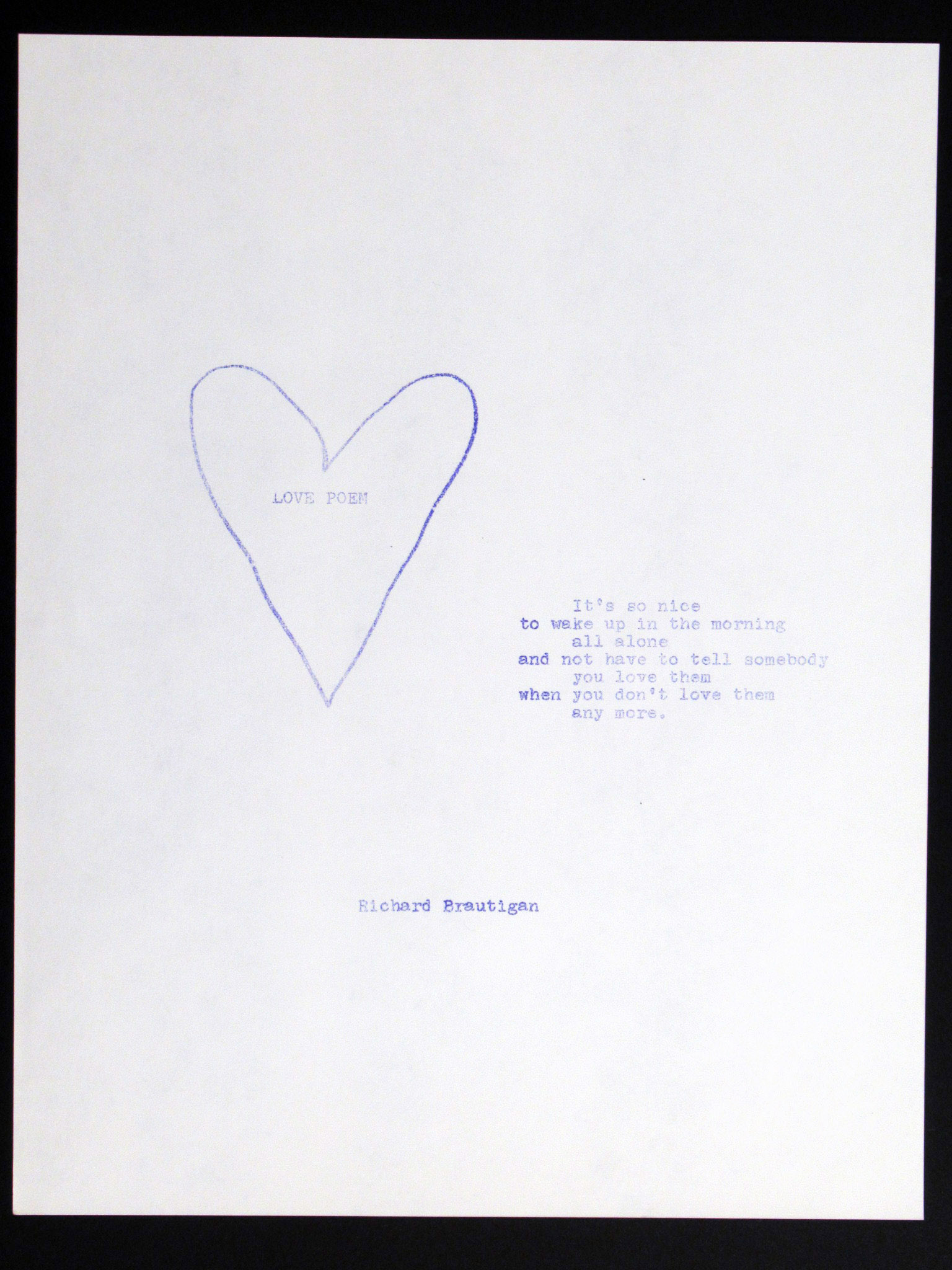
1967.05.083 Handbill: “"Teenybopper is Our Newborn King: George Stanley”
|
|
1967.05.084 Handbill: “Mimeograph knockoffLove Poem (Brautigan)”
|
|
1967.05.085 Handbill: “The Beautiful Poem (Brautigan)”
|